Choose the Right CCTV for Your UK Construction Site (2026)

Last updated: 6 September 2026
Quick Answer
Choosing the right CCTV for a UK construction site means matching camera type, connectivity and durability to the site's specific risks: 4G cameras for sites without fixed power or networking, IP66/IP67-rated housings for outdoor exposure, and motion-trigger or AI analytics to cut false alerts. Budget should cover installation and ongoing monitoring, not just hardware, and the system should integrate with wider site security such as manned guarding and access control.
Key Takeaways
- CCTV systems have four core components: cameras (static or PTZ), a recording device (DVR/NVR), monitors, and cabling or wireless connectivity linking them together.
- Site layout, access points and areas holding high-value plant or materials should drive camera placement, not a generic template.
- Outdoor construction cameras need weatherproof housings (commonly rated IP66 or IP67) to withstand UK site conditions year-round.
- Motion-trigger and infrared capability matter most overnight and during low-activity periods, when unmonitored sites are most exposed to theft and vandalism.
- CCTV works best as one layer in a wider security plan — paired with manned guarding, keyholding and alarm response rather than deployed in isolation.
Introduction
Construction sites are a persistent target for theft and vandalism, particularly overnight and during quiet phases of a build when plant, materials and cabling are left unattended. A tailored CCTV system — matched to the site's layout, duration and connectivity — is one of the most effective ways to reduce that exposure. This article walks through the practical decisions site managers need to make: what a CCTV system actually consists of, how to assess site-specific risk, which camera types and features suit construction environments, and how to select and budget for a system that integrates with the rest of your site security.
What Does a Construction Site CCTV System Actually Consist Of?
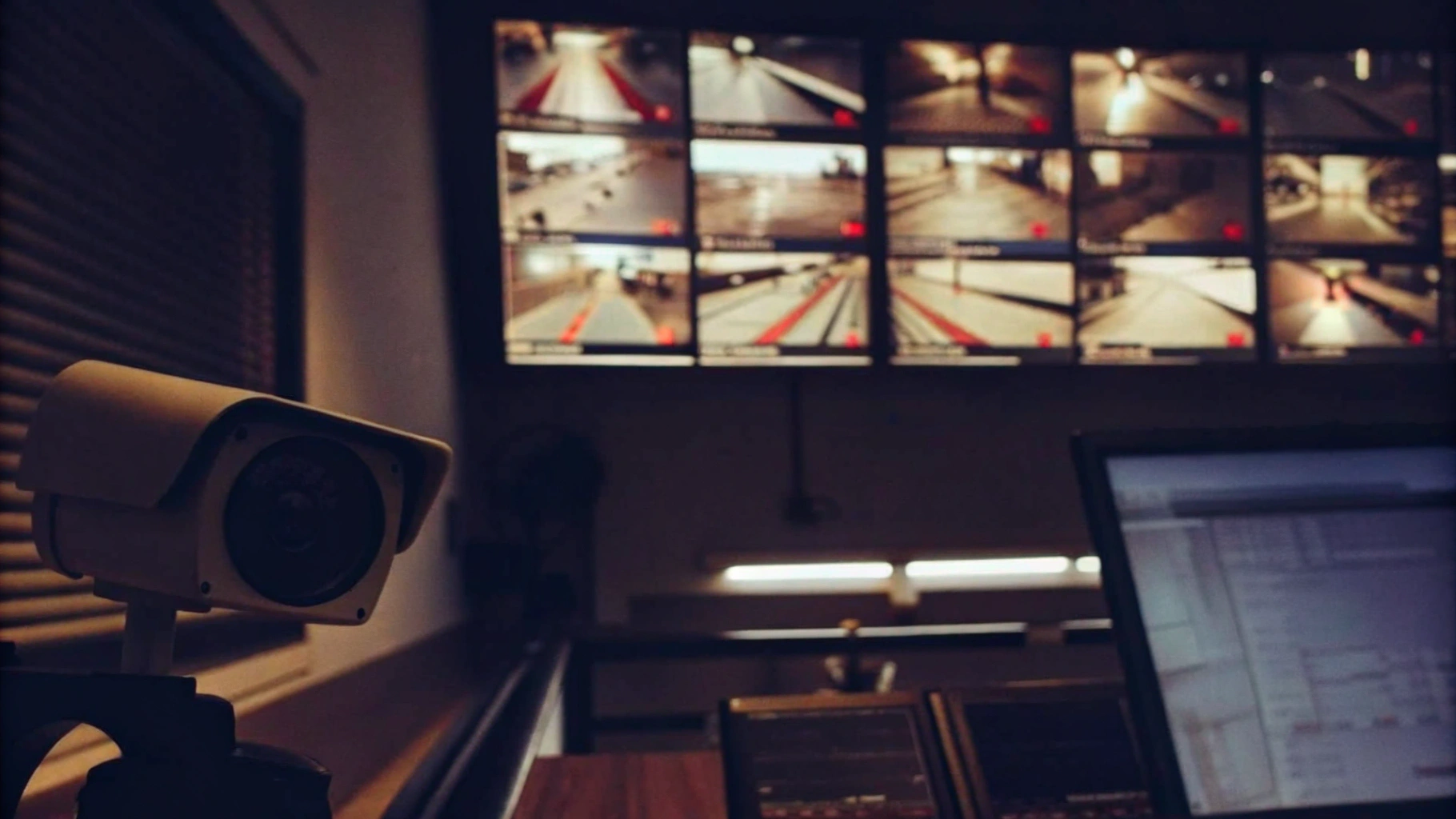
A CCTV system, sometimes called a video surveillance setup, transmits video signals from cameras to a recording device and, where needed, to live monitors. On a construction site this usually means a mix of fixed and mobile units rather than a single fixed installation, because the site itself changes shape as the build progresses.
The core components are:
- Cameras that capture footage, either static or dynamic (PTZ — Pan, Tilt, Zoom)
- A recording device, typically a DVR (Digital Video Recorder) or NVR (Network Video Recorder), that stores footage
- Monitors that display live or recorded feeds, either on-site or remotely
- Cabling or wireless connectivity (including 4G, where hardwiring isn't practical) linking cameras to the recorder and monitors
Understanding these building blocks matters because construction sites rarely have permanent power or network infrastructure in the early phases of a project. That's why many site CCTV deployments now favour battery- or solar-powered 4G units over hardwired systems, at least until permanent services are installed. Getting this basic architecture right is the foundation for the overall security framework supporting business resilience on the project.
How Do You Identify Your Construction Site's Security Needs?
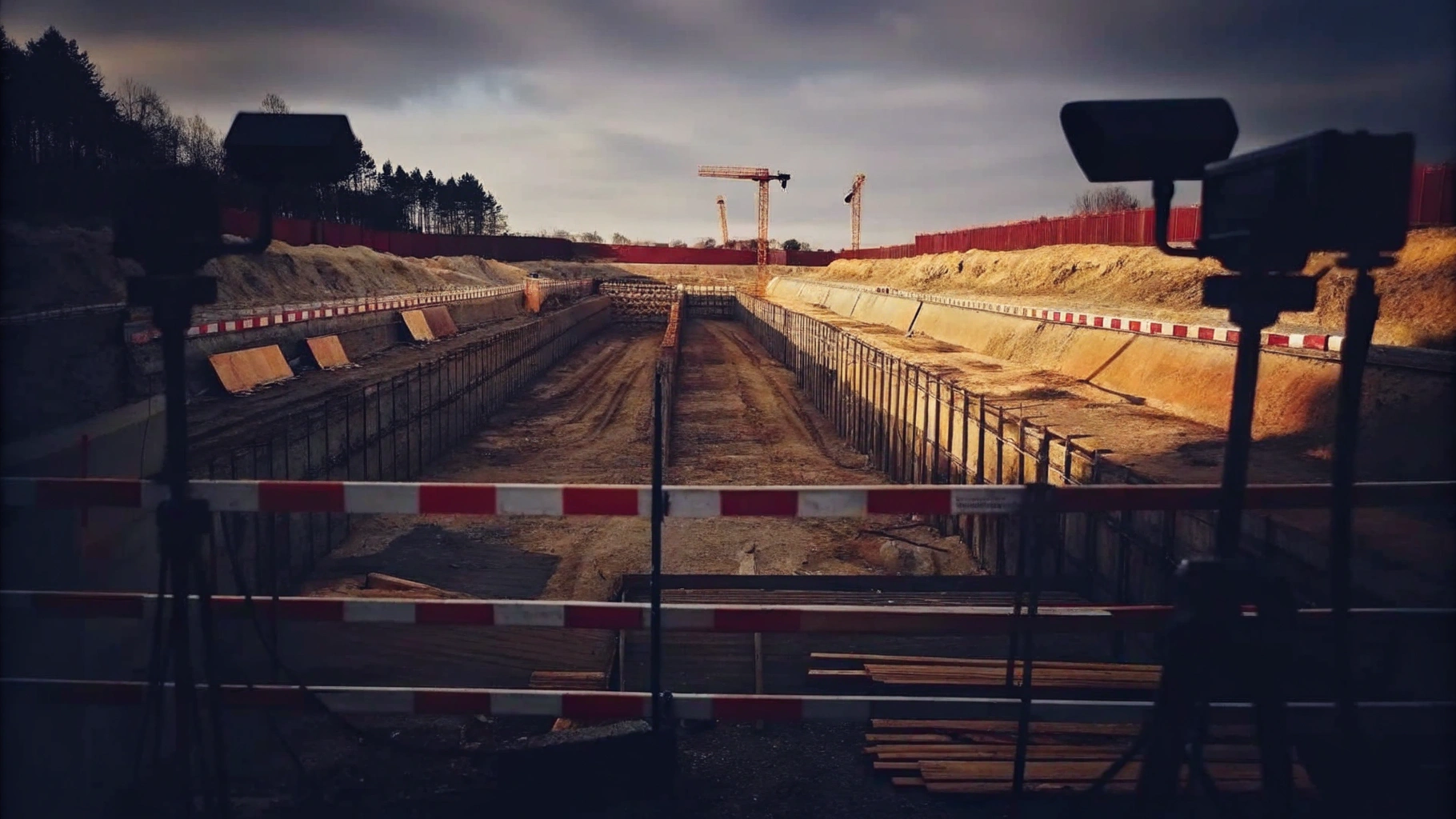
Identifying a site's security needs starts with a structured risk assessment covering layout, vulnerabilities, project duration and past incidents. Construction sites face persistent exposure to theft, vandalism and unauthorised access, particularly where materials, plant and tools are stored on open ground overnight — which is why a comprehensive approach to security needs to be scoped before any camera is bought.
- Evaluate site layout: Identify all access points, blind spots, and areas housing high-value equipment, as these are prime targets for theft and vandalism. A well-planned layout significantly reduces the number of cameras needed and closes obvious gaps.
- Assess vulnerabilities: Investigate specific risks such as theft and unauthorised access. Priority First carries out comprehensive building audits and risk assessments to identify vulnerabilities before they're exploited.
- Determine project duration: Longer projects present extended opportunities for theft and may justify more permanent protective infrastructure. Security measures should scale with project length and value at risk — see this guide to security risk assessment for a fuller framework.
- Consult with stakeholders: Project managers and site workers often surface vulnerabilities a walkthrough alone won't reveal. Their input should shape camera placement and patrol routes alike.
- Review past incidents: Analysing previous breaches — on this site or comparable ones — shows what measures would have prevented them, and where existing coverage has gaps.
- Implement safety training: All personnel should understand security protocols and the importance of vigilance on-site. A well-planned perimeter both protects assets and workers and acts as a visible deterrent against intrusion.
Working through these points systematically lets you specify a CCTV system — and any accompanying manned presence — that's proportionate to the actual risk, rather than a generic package.
Which CCTV Camera Types and Features Suit a Construction Site?
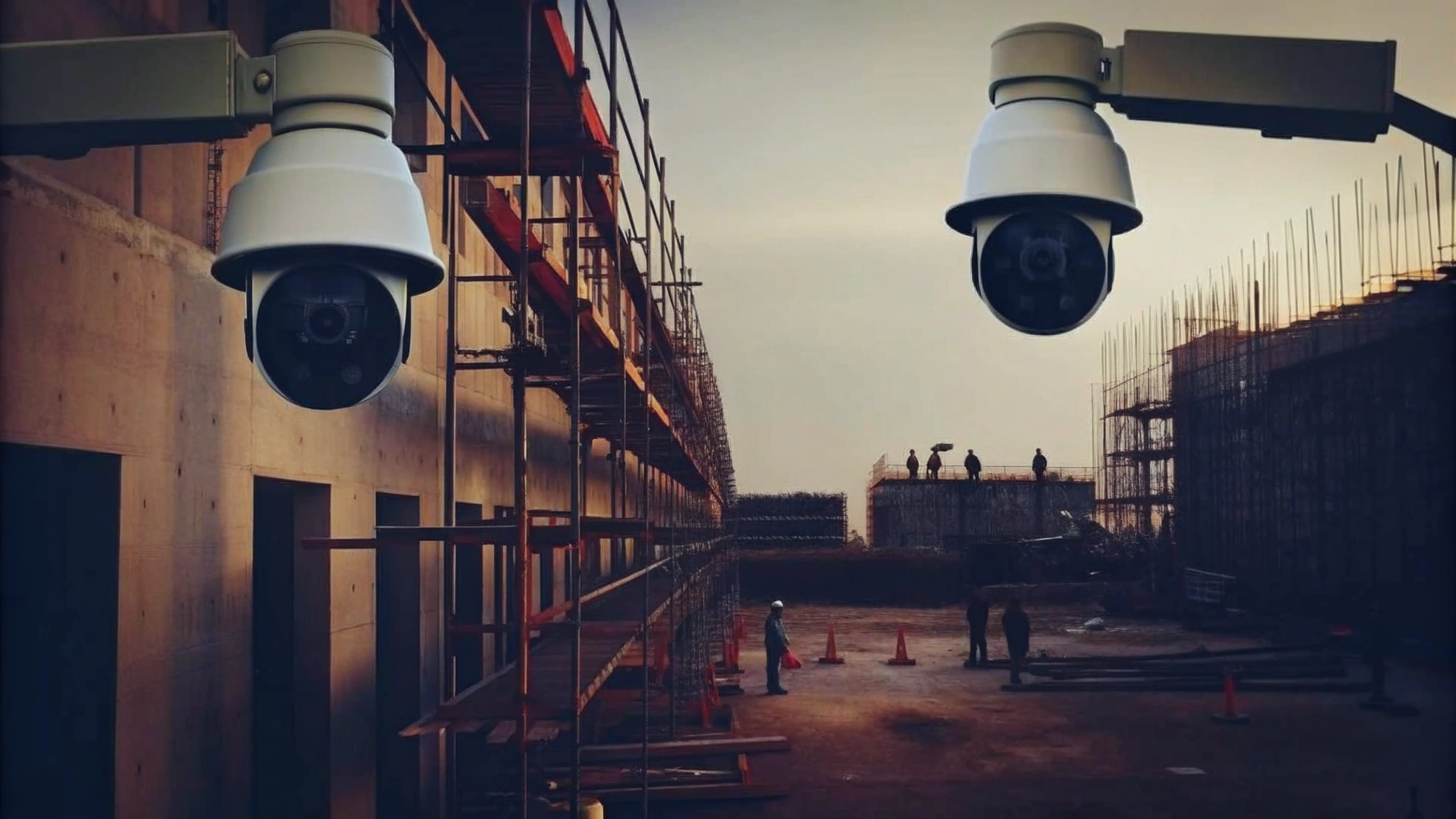
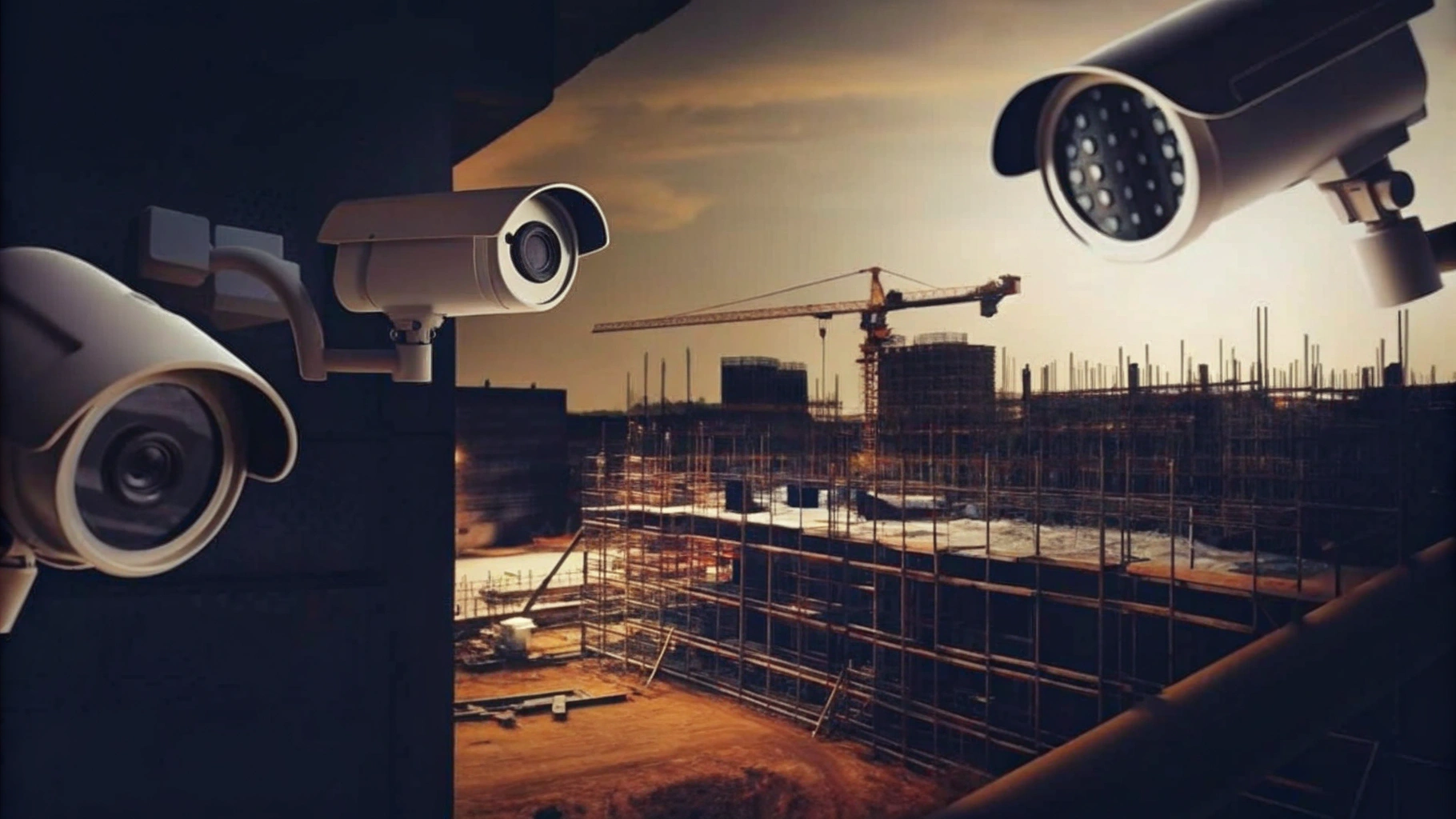
The right camera type depends on where it's deployed and what it needs to withstand. Dome cameras suit site cabins and indoor storage; bullet cameras suit open perimeters; PTZ cameras suit large or irregular sites; and infrared cameras are essential wherever a site goes dark overnight. Choosing correctly reduces both blind spots and the total number of cameras needed for full coverage.
- Dome cameras are ideal for indoor or semi-enclosed environments (site offices, stores), offering a discreet design that's less likely to be tampered with.
- Bullet cameras are built for outdoor use, with longer range and a visible presence that acts as a deterrent in its own right.
- PTZ (Pan-Tilt-Zoom) cameras allow remote operators to redirect and zoom the camera, useful for overseeing large or changing site layouts.
- Infrared cameras are essential for low-light conditions, capturing usable images after dark when most site theft occurs.
On features: resolution matters because higher-resolution footage is what actually allows identification of individuals and vehicles after an incident, not just detection that something happened. A wide field of view reduces the number of cameras required to cover a given area. Weatherproofing is non-negotiable for construction sites exposed to the elements — look for housings rated IP66 or IP67, which indicate strong resistance to dust and water ingress respectively. Motion-trigger recording and AI-based analytics (such as person or vehicle detection) cut down on false alerts and reduce the amount of footage that needs reviewing after an incident. Remote access via mobile devices or a web portal allows real-time oversight and faster response, which matters most when a site has no permanent on-site staff.
Assessing these factors lets you specify CCTV coverage tailored to your site's actual risk profile, rather than defaulting to whatever a supplier has in stock.
How Do You Select and Budget for the Right CCTV System?
Selecting the right system means budgeting for the full lifecycle — installation and monitoring, not just hardware — then matching components, integration and installation logistics to the site's specific conditions. Skipping any one of these steps tends to produce a system that looks adequate on paper but leaves gaps in practice.
- Define your budget: Set a budget that covers not just camera hardware but installation, connectivity (including 4G data where relevant) and ongoing monitoring or maintenance. A well-specified surveillance network is widely reported to reduce losses from theft and vandalism, which is why it's usually judged against the potential cost of an unmonitored incident rather than against hardware price alone.
- Choose the right components: Match camera type, resolution, night-vision capability and weatherproof rating to the site's actual conditions rather than a standard package. Cameras rated for outdoor construction use need to perform reliably across a UK winter, not just in good weather.
- Plan for integration: A CCTV system should connect with other protective measures — alarm systems, access control and manned patrols — rather than operate as an isolated feed nobody reviews. A multi-layered approach, with security consolidated under one provider, keeps monitoring centralised and accountable. Priority First's own patrol data illustrates the value of this: across a largest managed portfolio of 24 sites, officers have completed more than 4,900 photo-backed patrols, each logged with officer ID, GPS location and timestamp — turning CCTV footage into one part of a wider, provable record rather than an unreviewed archive.
- Consult with professionals: Security consultants or specialist suppliers can give a site-specific recommendation rather than a generic quote, and can flag where CCTV alone won't cover a risk that needs a manned or access-control response instead. See this security management consulting guide for how that process typically works.
- Plan for installation: Confirm power availability, network or 4G signal strength, and mounting points before equipment arrives on site. Poor planning at this stage is the most common cause of gaps in coverage once the system goes live.
Working through these steps in order — budget, components, integration, expert input, installation logistics — produces a system that protects the site and supports the rest of your security plan, rather than one bought piecemeal.
Your construction site CCTV checklist
- Complete a site-specific risk assessment covering access points, blind spots and high-value storage areas
- Decide between 4G and hardwired connectivity based on available power and network infrastructure
- Specify weatherproof housings (IP66/IP67 or equivalent) for all outdoor units
- Choose camera types (dome, bullet, PTZ, infrared) to match each location's actual conditions, not a standard package
- Enable motion-trigger recording or AI analytics to reduce false alerts and footage review time
- Confirm remote access and monitoring arrangements before the system goes live
- Plan integration with alarms, access control and any manned guarding or patrol coverage
- Budget for installation and ongoing monitoring, not just camera hardware
Conclusion
Choosing the right CCTV system for a construction site comes down to matching camera type, connectivity and durability to the site's actual risk profile — not defaulting to a generic package. A thorough risk assessment, sensible camera and feature selection, and a realistic budget covering installation and monitoring together produce a system that genuinely reduces theft and vandalism risk, rather than one that simply looks good on a spec sheet.
Key considerations throughout are:
- Conducting a thorough, site-specific risk assessment
- Evaluating camera types and features against real site conditions
- Budgeting for the full system lifecycle, not just hardware
- Integrating CCTV with wider security measures rather than deploying it in isolation
Investing in the right CCTV system isn't only about preventing theft and vandalism — it's about building a security setup that supports the project running on time and on budget. The sites that get this right treat CCTV as one layer of a coordinated plan, not a standalone fix.
How Priority First Approaches Construction Site Security
Choosing the right CCTV system is only useful if someone is actually reviewing the footage and acting on it — which is where most site security quietly fails. Priority First provides construction site security as part of an integrated service that combines manned guarding, keyholding, alarm response and CCTV monitoring with facilities management, so cameras, patrols and access control sit under one accountable provider rather than several disconnected suppliers.
As proof of how this works in practice: across Priority First's largest managed portfolio, officers have completed more than 4,900 patrols, each backed by a timestamped, GPS-logged photo tied to a named officer — replacing the unprovable paper logs that construction sites have traditionally relied on, with missed checkpoints showing as visible gaps in the record rather than passing silently. For sites where manned coverage and CCTV need to work together, this manned guarding cost guide sets out typical UK pricing structures.
If you're specifying CCTV and wider security for a construction site in London or nationwide, get in touch with Priority First for a site assessment and a tailored quote.
Frequently Asked Questions
What is a CCTV system?
A CCTV system is a video surveillance setup that transmits signals from cameras to a designated recording device and set of monitors, allowing footage to be reviewed live or after the fact. On construction sites, this is often combined with 4G connectivity and battery or solar power where fixed infrastructure isn't yet available.
What are the main components of a CCTV system?
The main components are cameras, a recording device (DVR or NVR), monitors, and the cabling or wireless connection linking them. Together these determine how footage is captured, stored and accessed.
What types of cameras are used in CCTV systems?
Construction sites typically use a mix of dome cameras (indoor/semi-enclosed areas), bullet cameras (outdoor perimeters), PTZ cameras (large or irregular layouts) and infrared cameras (low-light and overnight coverage). Camera choice should match each location's specific conditions rather than a single standard unit.
What is the role of the recording device in a CCTV system?
The recording device — typically a DVR or NVR — stores footage captured by the cameras so it can be reviewed later or used as evidence after an incident. On sites without fixed infrastructure, footage may also be stored or backed up via a 4G connection to a remote server.
Why is weatherproofing important for construction site cameras?
Weatherproofing is important because outdoor construction cameras must withstand rain, dust, temperature swings and physical knocks throughout the build. Housings rated IP66 or IP67 indicate strong resistance to dust and water ingress respectively, which matters for equipment left exposed on a UK site year-round.
Why is it important to understand the components of a CCTV system before buying one?
Understanding the components lets a site manager specify exactly what's needed — camera type, recording capacity, connectivity and monitoring arrangement — rather than over- or under-buying. This ensures the system meets the site's actual protection needs and integrates properly with wider security measures such as manned guarding and access control.