10 Essential Skills for Security Officers in London


Introduction
In London, security officers are essential to maintaining safety across diverse environments, from construction sites to public events. As security challenges evolve, businesses must recognise the need for officers to develop a broad skill set that not only addresses immediate threats but also promotes resilience and efficiency. Ignoring these evolving demands can lead to significant financial, operational, and reputational risks for organisations.
The reality is that security is often underestimated within the broader context of business resilience. For instance, construction theft costs UK businesses over £1 million a week, highlighting the urgent need for effective security measures. By investing in skilled security personnel, companies can mitigate these risks and protect their assets, ensuring smoother operations and safeguarding their reputation.
Priority First stands out as a pragmatic solution in this landscape. With over £1.6 billion in assets secured and rapid response times, we provide businesses with the expertise needed to navigate these complexities. Our approach is grounded in evidence and focused on long-term value, ensuring that clients receive not just promises but tangible outcomes.
In practise, early investment in security measures can prevent greater losses down the line. By prioritising security, businesses not only protect their assets but also enhance their overall operational effectiveness. The lesson is clear: security is not merely an expense; it is a critical component of business continuity.
Situational Awareness: A Core Skill for Priority First Security Officers
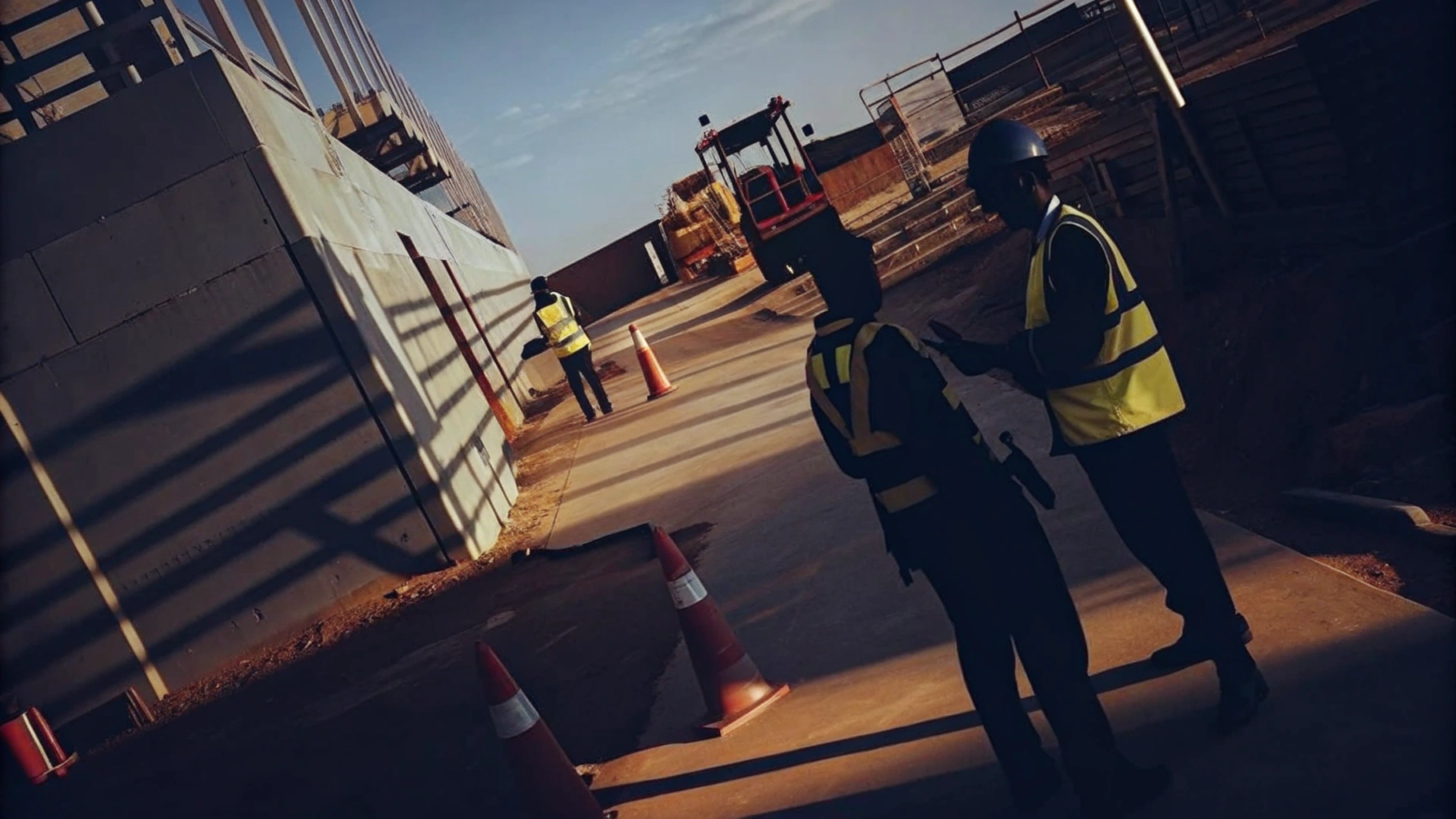
Situational awareness is a critical skill for personnel, particularly in high-pressure environments like construction sites. It involves not just observing unusual behaviour but also understanding the context of various situations and anticipating potential threats. The reality is that distractions are abundant in these settings, making the ability to maintain situational awareness essential for preventing significant safety breaches.
Priority First Protection Services embodies this commitment through tailored protection solutions specifically designed for construction sites. Their comprehensive approach includes key holding, CCTV monitoring, and alarm response services, all vital for ensuring safety and operational efficiency. Training programmes at Priority First often incorporate practical exercises that simulate real-life scenarios, enhancing personnel's ability to respond swiftly and effectively to threats. For example, role-playing exercises focus on identifying suspicious activities and understanding crowd dynamics during events, which are crucial for maintaining safety in dynamic environments.
The implications of effective situational awareness are profound. Officers trained to recognise subtle cues are better equipped to act before situations escalate, significantly reducing the likelihood of incidents. Organisations like Priority First that prioritise situational awareness development report a notable decrease in breaches, underscoring its impact on overall safety and operational integrity within construction environments. Statistics reveal that companies engaged in regular situational awareness training experience a 70% reduction in safety-related risks, further emphasising the importance of such training in fostering a robust safety culture.
Moreover, case studies from Priority First illustrate the successful implementation of these strategies, showcasing their effectiveness in real-world scenarios. The lesson is clear: investing in situational awareness not only enhances safety but also contributes to long-term business resilience. By prioritising these measures, businesses can prevent greater losses down the line, reinforcing the notion that security is not merely an expense but a vital component of business continuity.
Effective Communication: Essential for Security Officers in London
Effective communication is essential for a security officer in London, encompassing verbal, non-verbal, and written forms. Officers must articulate instructions clearly, listen actively, and respond confidently to inquiries. Training programmes typically include modules on conflict resolution and customer service, highlighting the need for a calm demeanour and appropriate body language. The reality is that during crises, an officer's ability to convey information efficiently can significantly impact outcomes, ensuring the well-being of all involved.
Statistics reveal that companies fostering teamwork are five times more likely to excel. This underscores that well-trained personnel not only manage incidents more effectively but also create a safer environment through clear and empathetic communication. In practise, as Simon Sinek aptly states, 'Great leaders communicate and great communicators lead.' This emphasises the critical role of communication in the duties of a security officer in London, which should not be underestimated.
Ignoring the importance of effective communication can lead to severe consequences, including operational inefficiencies and reputational damage. Therefore, investing in comprehensive training programmes is not merely an expense; it is a strategic move towards enhancing business resilience. Priority First stands ready to support organisations in this endeavour, ensuring that personnel are equipped with the necessary skills to navigate complex situations confidently.

Conflict Resolution: Key to Maintaining Safety and Order
Security personnel often face conflicts that demand quick and effective resolution. Mastering de-escalation techniques is essential for maintaining safety and order across various environments. Active listening is a key strategy, allowing personnel to grasp the underlying concerns of those involved. Coupled with empathy, this fosters a connexion that can significantly reduce tension. Additionally, negotiation skills are crucial, enabling personnel to guide conversations toward amicable solutions.
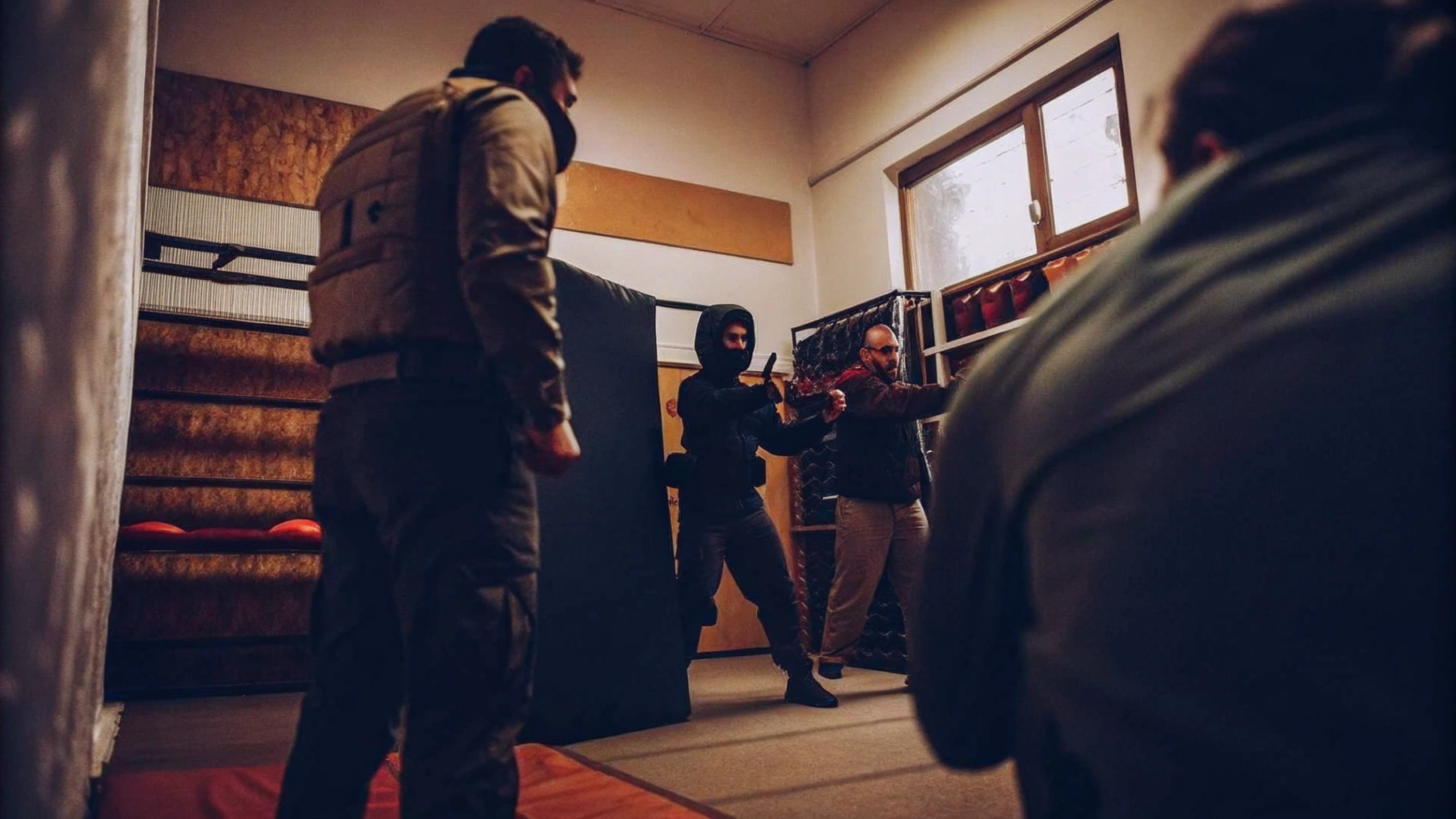
Training programmes must incorporate realistic scenarios that mimic confrontational situations, allowing personnel to practise their responses in a controlled setting. Role-playing activities, for instance, can help personnel identify signs of escalating tension and apply de-escalation strategies effectively before situations escalate into violence.
Research indicates that organisations investing in conflict resolution training see a marked reduction in incident occurrences. By equipping personnel with the skills to manage conflicts proactively, they can prevent potential threats and cultivate a safer environment for everyone involved. Successful instances of de-escalation in security contexts illustrate that when officers are trained to approach conflicts with composure and understanding, they not only safeguard individuals but also enhance overall safety and operational efficiency.
Physical Fitness: A Fundamental Requirement for Security Personnel
Security personnel must prioritise physical fitness to effectively execute their responsibilities, which include:
- Patrolling extensive areas
- Swiftly responding to incidents
- Managing potential physical confrontations
The reality is that a well-rounded fitness training programme is essential, incorporating:
- Cardiovascular exercises
- Strength training
- Flexibility workouts
For instance, a typical regimen may consist of running for endurance, weightlifting for strength, and yoga for flexibility, ensuring officers are equipped to meet the physical demands of their roles.
That said, maintaining fitness not only enhances physical capabilities but also bolsters mental resilience, a crucial factor in navigating high-stress situations. As Joseph Ferdinando mentions, "A suitable guard can respond more swiftly, handle stressful circumstances more effectively, and lessen the chance of harm to themselves and others." This dual emphasis on physical and mental readiness significantly impacts overall performance, allowing personnel to respond efficiently and assuredly in various situations.
In practise, it is crucial to acknowledge that appropriate nutrition and recovery are essential in supporting a fitness regimen. This further improves the operational preparedness of personnel, ensuring they can effectively mitigate risks and enhance security outcomes for a security officer in London. By investing in comprehensive fitness strategies, businesses can safeguard their assets and maintain a resilient operational framework.

Knowledge of Security Technology: Staying Ahead in Modern Security
In the evolving landscape of security, personnel must be adept in various technologies, such as surveillance systems, alarm systems, and access control devices. Comprehensive training is essential, focusing on the operation of these systems and interpreting the data they generate. For example, the ability to analyse footage from CCTV cameras enables personnel to identify suspicious behaviour and respond effectively.
Priority First's CCTV monitoring service enhances this capability by providing continuous surveillance through strategically placed cameras. This allows for real time threat detection and immediate response to any unusual activity. Furthermore, Priority First integrates its services with existing protection systems, ensuring minimal disruption while improving operational efficiency. The 24/7 availability of Priority First's CCTV monitoring service guarantees that your property is always under surveillance, even during out-of-office hours and weekends.
Moreover, familiarity with emerging technologies like AI and predictive analytics can significantly bolster an individual's ability to prevent incidents. By leveraging these advanced tools, staff can enhance their situational awareness and improve overall safety outcomes. Consistent practise with these technologies not only equips personnel with essential skills but also plays a crucial role in reducing incidents. Studies indicate that companies participating in awareness sessions experience a 70% reduction in incidents.
To implement these strategies effectively, managers should prioritise ongoing training sessions that incorporate the latest technological advancements and best practises. The lesson is clear: investing in security training today can prevent greater losses tomorrow.

Risk Assessment: Proactive Threat Identification for Security Officers
Security challenges in the UK construction sector are significant, with theft costing businesses over £1 million a week. This stark reality underscores the necessity for a security officer in London to conduct thorough risk evaluations. By identifying potential threats and weaknesses in their assigned areas, security teams can develop tailored strategies to mitigate risks effectively. In high-stakes environments like construction sites, assessing the likelihood of theft, vandalism, or unauthorised access is crucial. This proactive approach may involve:
- Increasing patrol frequency
- Enhancing lighting
- Implementing advanced surveillance systems, such as CCTV with automated threat detection capabilities
Priority First stands out in this landscape, specialising in comprehensive CCTV monitoring that provides continuous surveillance. This not only acts as a deterrent but also serves as a real-time threat detection tool. Our services integrate seamlessly with existing security systems, enhancing your current setup without causing disruption. Regular updates to risk evaluations are vital, ensuring that protective measures adapt to evolving circumstances and emerging threats throughout the project's lifecycle. By prioritising proactive threat identification, security officers in London can effectively safeguard assets and maintain a secure environment.
Modern trends in risk evaluation highlight the growing role of AI-based tools and predictive modelling, which enhance the accuracy of threat assessments and enable swift responses to potential incidents. For instance, in a recent project at a multi-use complex in Chelsea, our customised security solutions led to a significant reduction in unauthorised entries and theft. Collaborating with local authorities further enriches the thoroughness of risk assessments, ensuring a comprehensive approach to site security. Implementing these strategies not only protects the site but also cultivates a culture of safety and vigilance among all personnel involved.

Customer Service Skills: Enhancing Public Interaction for Security Officers
Security personnel often serve as the first point of contact for the public, underscoring the critical nature of effective customer service in the security sector. This role is particularly vital in construction environments, where the presence of trained personnel can significantly influence public perception and operational safety. The reality is that robust customer service abilities not only enhance interactions but also contribute to overall business resilience.
At Priority First, we prioritise loyalty, discretion, and confidentiality. Our personnel are trained to engage positively with individuals while adapting to various environments and challenges. Officers must confidently offer assistance and address concerns, employing polite language and maintaining an approachable demeanour. For instance, during events, a staff member who actively engages with attendees fosters a welcoming atmosphere and helps deter potential troublemakers through attentiveness and concern.
Ignoring the importance of security personnel can lead to financial, operational, and reputational risks. In construction, where theft and vandalism can cost businesses over £1 million a week, the implications of inadequate security are clear. By investing in well-trained personnel, companies can mitigate these risks and enhance their operational integrity.
To bolster these essential skills, Priority First implements role-playing scenarios that simulate various customer interactions. This hands-on training allows personnel to practise and refine their service delivery techniques. Such preparation not only enhances individual performance but also elevates the overall perception of security personnel in public settings.
As Marshall Field famously stated, 'When you know what resonates with your customers, don’t just aim to meet their expectations, but exceed their expectations, preferably in unexpected ways.' By applying these principles in daily interactions, our personnel can significantly improve the public's view of their role, reflecting the high standards of service that Priority First embodies. Ultimately, early investment in security personnel is not merely an expense; it is a strategic move towards ensuring business continuity and resilience.

Legal Knowledge: Understanding Rights and Responsibilities in Security
Security personnel must have a solid grasp of the legal framework that governs their roles, including the laws that dictate their actions and the rights of individuals they encounter. This understanding is not just a regulatory requirement; it’s essential for effective business operations. Training programmes should cover critical topics such as:
- The appropriate use of force
- The parameters of citizen's arrest
- Privacy regulations
In the UK, guards can detain individuals under a citizen's arrest if they have reasonable grounds to believe a crime has occurred. This legal knowledge is vital for understanding their responsibilities and can significantly mitigate potential legal repercussions for both the personnel and their organisation. Ignoring these legal obligations can lead to serious financial, operational, and reputational risks.
Staying informed about legislative changes is crucial for compliance with the Police and Criminal Evidence Act 1984 and the Criminal Law Act 1967. Adapting to evolving legal standards not only enhances the efficiency of protective measures but also plays a pivotal role in achieving favourable incident outcomes. Personnel must act within their rights and responsibilities to ensure public safety.
Moreover, continuous education is essential for security staff to remain updated on legal modifications. This ongoing training strengthens their ability to operate effectively within the law, ultimately supporting the broader goal of business resilience. Early investment in legal training and compliance can prevent greater losses down the line.
Teamwork Skills: Collaborating Effectively in Security Operations
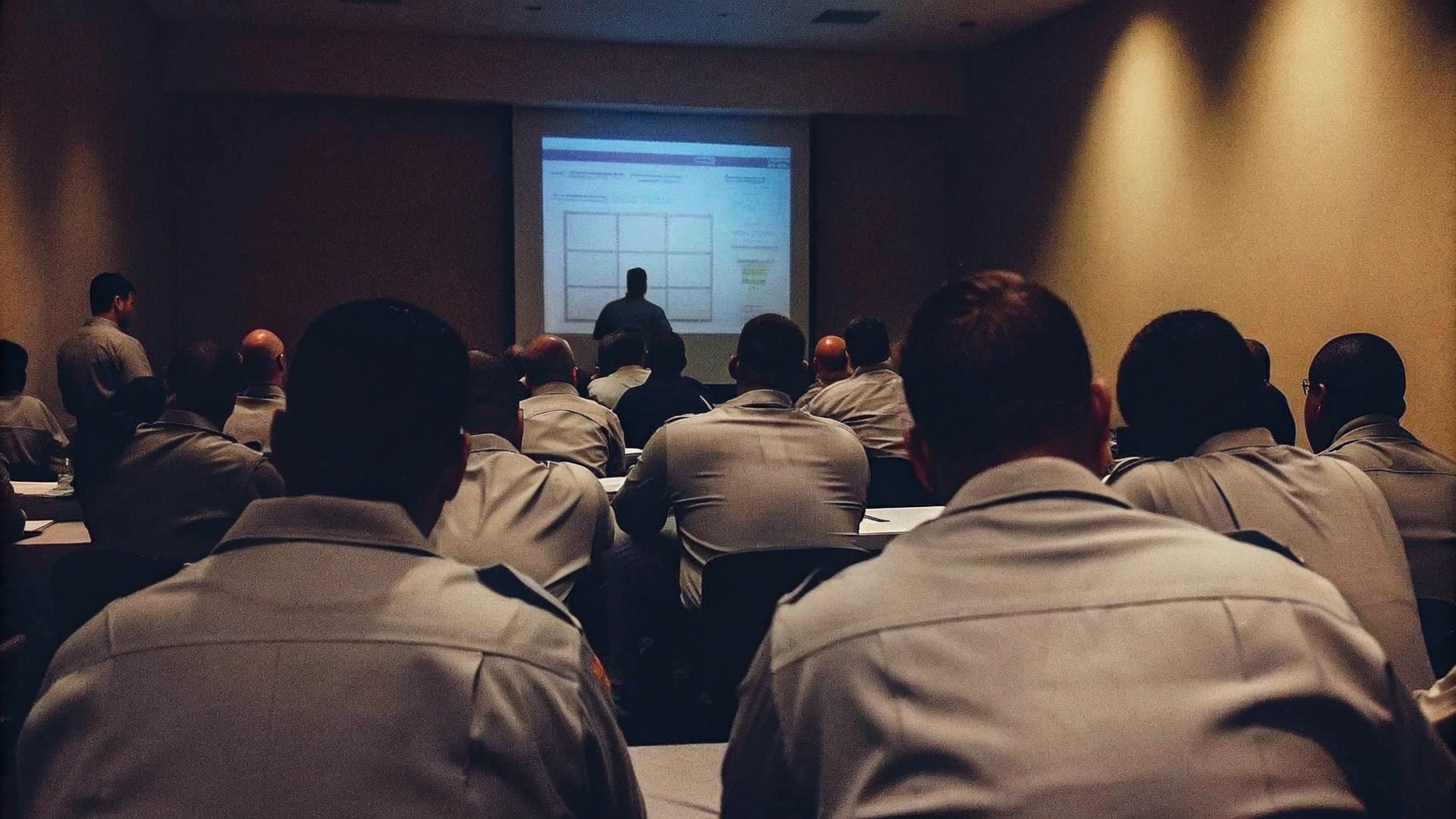
Teamwork is crucial for security officers London, who frequently work in collaborative environments. Effective communication is essential; a security officer in London must share information swiftly and support one another during incidents. Engaging in team-building exercises can significantly strengthen camaraderie and collaboration among personnel. For example, joint training sessions with law enforcement not only enhance coordination during emergencies but also deepen understanding of each other's roles.
The reality is that clarity in duties allows for a more efficient response to challenges, ultimately reducing response times and improving overall effectiveness. As Dhananjay Rokde notes, "Collaboration is not just advantageous for crisis response - it is essential for a successful response mechanism." Furthermore, Navjot Singh emphasises that "effective teamwork significantly improves incident response times in cybersecurity," underscoring the critical role of collaboration.
By prioritising collaboration and ensuring role clarity, security officers in London can navigate complex situations more adeptly, fostering a safer environment for all. This approach not only enhances operational efficiency but also contributes to the broader context of business resilience.

Adaptability: Essential for Navigating Dynamic Security Challenges
Personnel must demonstrate a high degree of adaptability to effectively manage a range of scenarios, from sudden changes in crowd behaviour to unexpected risks. At Priority First, we assert that adaptability is not just a skill; it’s a commitment to our clients. This ensures our protective solutions are tailored to meet specific challenges with discretion and professionalism.
Training programmes should focus on developing critical thinking skills and the ability to make quick decisions under pressure. For example, scenario-based exercises can simulate evolving situations, such as responding to a fire alarm during a large event. This allows officers to practise their response strategies in real-time. Such an approach not only prepares them for immediate challenges but also cultivates a mindset of flexibility and resilience, which is essential for enhancing their overall effectiveness in the field.
Organisations that invest in this type of development often see a significant increase in productivity and a decrease in incidents. This highlights the concrete benefits of equipping personnel with the skills necessary to navigate dynamic challenges. Moreover, with 45% of employees reporting a lack of safety training, it is imperative for organisations to address this gap by providing essential skills to manage evolving challenges.
As Winston Churchill noted, 'To improve is to change; to be perfect is to change often.' This underscores the critical role of adaptability for a security officer in London in the constantly shifting landscape of security. Furthermore, case studies indicate that organisations implementing comprehensive training programmes experience marked improvements in performance and incident management. This reflects our commitment to loyalty, discretion, and client-centric service at Priority First.

Conclusion
Security challenges in the UK, particularly in construction, underscore the critical role of security officers. These professionals possess essential skills that are vital for maintaining safety and order, especially in high-pressure environments. Their competencies—ranging from situational awareness to effective communication—are not just individual assets; they enhance the overall resilience of the organisations they serve.
The reality is that investing in training and development for security personnel significantly mitigates safety-related risks. For instance, situational awareness can drastically reduce incidents, while effective communication fosters teamwork and improves incident management. Ignoring these aspects can lead to severe financial, operational, and reputational consequences for businesses. Understanding legal responsibilities and mastering customer service skills are equally vital for building trust and ensuring compliance.
In practise, the evolving demands on security personnel highlight the necessity of physical fitness and technological proficiency. Organisations that prioritise these essential skills are better equipped to navigate the complexities of modern security challenges. By investing in comprehensive skill development, businesses not only safeguard their assets but also enhance operational efficiency.
The lesson is clear: early investment in security training is not merely a logistical necessity; it is a strategic imperative. Priority First stands as a pragmatic solution, having secured over £1.6bn in assets and demonstrating rapid response times. By fostering a culture of continuous learning and adaptation, security personnel can exceed expectations, reinforcing their critical contributions to public safety and business continuity.
Frequently Asked Questions
What is situational awareness and why is it important for security officers?
Situational awareness is the ability to observe unusual behaviour, understand the context of situations, and anticipate potential threats. It is crucial for security officers, especially in high-pressure environments like construction sites, to prevent significant safety breaches.
How does Priority First Protection Services enhance situational awareness for security personnel?
Priority First Protection Services provides tailored protection solutions for construction sites, including key holding, CCTV monitoring, and alarm response services. They also offer training programmes that incorporate practical exercises to simulate real-life scenarios, enhancing personnel's ability to respond effectively to threats.
What are the benefits of effective situational awareness training?
Effective situational awareness training helps officers recognise subtle cues and act before situations escalate, reducing the likelihood of incidents. Companies that prioritise this training report a 70% reduction in safety-related risks.
How does effective communication play a role in the duties of security officers in London?
Effective communication, including verbal, non-verbal, and written forms, is essential for security officers. It involves articulating instructions clearly, listening actively, and responding confidently, which can significantly impact outcomes during crises.
What are the consequences of ignoring effective communication in security roles?
Ignoring effective communication can lead to operational inefficiencies and reputational damage. Investing in training programmes for communication skills is a strategic move to enhance business resilience.
Why is conflict resolution important for security personnel?
Conflict resolution is vital for maintaining safety and order. Mastering de-escalation techniques and active listening helps personnel manage conflicts effectively, reducing tension and preventing potential violence.
How can training programmes improve conflict resolution skills among security personnel?
Training programmes that incorporate realistic scenarios and role-playing activities allow personnel to practise their responses to confrontational situations, helping them apply de-escalation strategies effectively.
What impact does conflict resolution training have on incident occurrences?
Organisations that invest in conflict resolution training experience a marked reduction in incident occurrences, fostering a safer environment for everyone involved.