4 Best Practices for Effective Security Guarding on Construction Sites


Last updated: 3 August 2026
Overview
Effective security guarding on construction sites is not just a necessity; it’s a critical business function that often goes underestimated. The reality is that construction theft costs UK businesses over £1m a week, highlighting a significant risk that can impact financial stability and operational efficiency.
Ignoring these security challenges can lead to severe consequences. Financial losses from theft can escalate quickly, affecting project timelines and budgets. Moreover, reputational damage can arise from incidents that compromise safety, leading to a loss of trust among clients and stakeholders. In practise, the implications are clear: without robust security measures, businesses expose themselves to unnecessary risks.
Priority First offers a pragmatic solution to these pressing issues. By implementing clearly defined roles and essential skills within security teams, alongside advanced surveillance technology and proper access control, we enhance site security significantly. Our approach is not about hype; it’s about measured reasoning and proven results. With over £1.6bn in assets secured and rapid response times, we demonstrate our commitment to safeguarding construction sites effectively.
Investing in security is not merely an expense; it’s a vital component of business continuity. Early investment in security measures can prevent greater losses later, ensuring a safer working environment for all personnel involved. The lesson is clear: prioritising security today safeguards your business for tomorrow.
Introduction
Effective security on construction sites is not merely about having personnel on-site; it requires a strategic approach to protect valuable assets and ensure worker safety. A staggering 70% of construction workers report witnessing theft each year. This reality underscores the urgent need for robust security measures. Ignoring this risk can lead to significant financial losses, operational disruptions, and reputational damage for businesses.
In practise, enhancing security guarding on construction sites involves implementing best practises that address these challenges. This article explores four key strategies that can significantly bolster security, focusing on the essential roles and skills required, the importance of compliance with safety protocols, and how leveraging technology can foster a safer environment. The lesson is clear: construction sites must transform their security operations not only to prevent theft but also to cultivate a culture of safety and vigilance.
Priority First stands ready to provide practical solutions that align with these needs, ensuring that early investment in security translates to long-term resilience and protection against theft.
Define Security Guard Roles and Responsibilities on Construction Sites
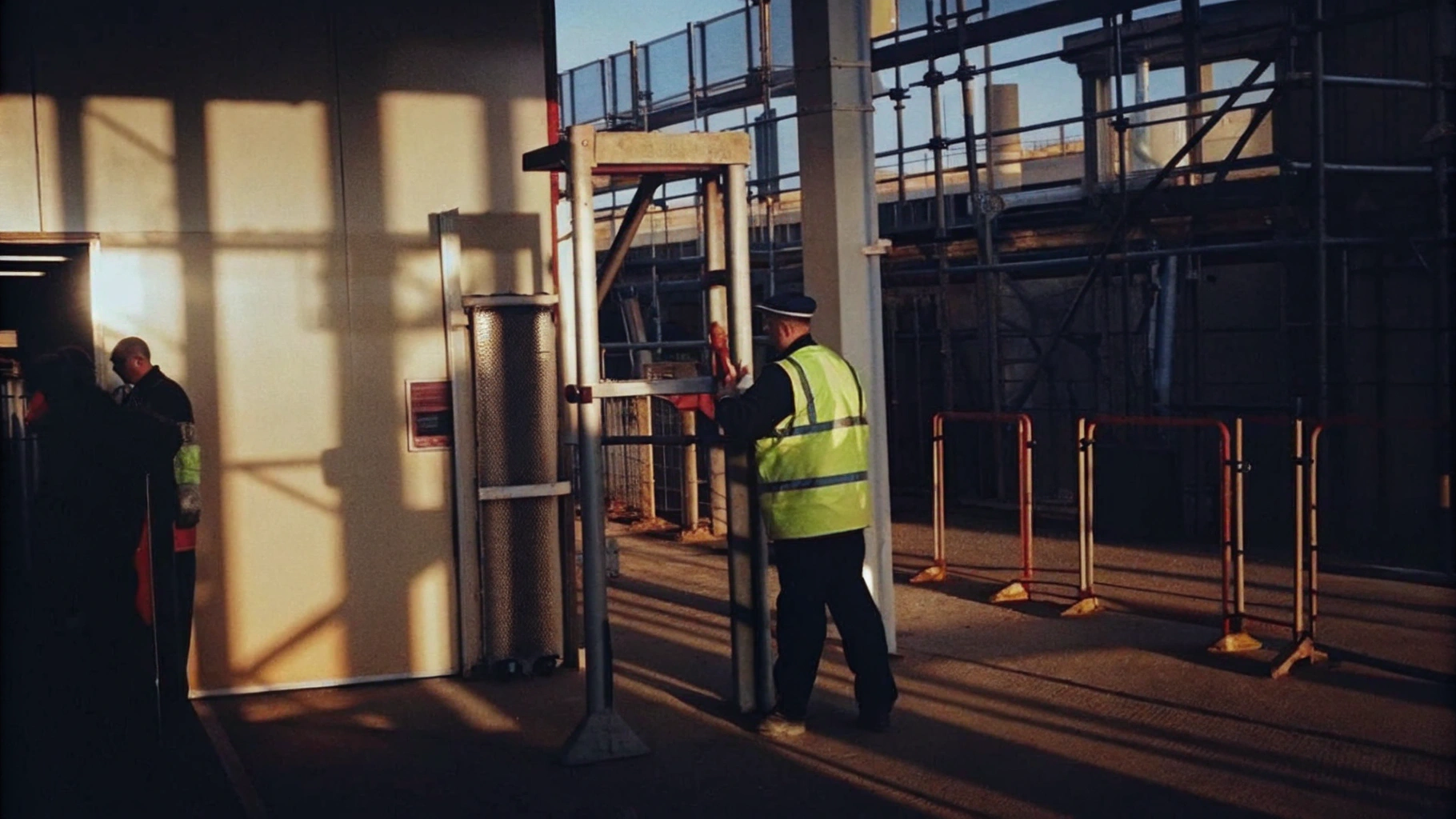
Security guarding officers stationed at building locations play a vital role in safeguarding assets, staff, and the overall integrity of projects. The reality is that their responsibilities encompass several key areas:
- Access Control: Guards ensure that only authorised personnel enter the site, verifying identification and managing entry points. Effective access control is crucial; statistics indicate that 70% of construction workers have witnessed theft on-site at least once a year. This underscores the need for stringent measures to prevent unauthorised access.
Security guarding involves the use of regular patrols and surveillance systems to monitor the site, detect unauthorised access, and deter suspicious activities. The combination of CCTV with alarm systems enhances safety, offering real-time notifications and ongoing surveillance, even during off-hours.
-
Incident Response: Security guarding teams are trained to react swiftly to breaches, emergencies, or safety incidents. Their ability to coordinate with local law enforcement can significantly mitigate risks and ensure a prompt resolution to any issues that arise.
-
Reporting: Keeping thorough records of daily activities, incidents, and unusual events is essential for future safety planning. This documentation assists in recognising patterns and identifying areas for enhancement in protection protocols.
Security guarding plays a critical role in ensuring compliance with safety regulations and protocols. This includes monitoring the use of personal protective equipment (PPE) and reporting any hazards, thereby contributing to a safer working environment.
In practise, by clearly outlining these responsibilities, building locations can improve their safety stance and ensure that guards are well-prepared to manage various situations efficiently. The lesson is clear: promoting a culture of alertness and responsibility among all staff is crucial for decreasing the chances of breaches and sustaining a safe environment.
Identify Essential Skills and Qualifications for Security Guards
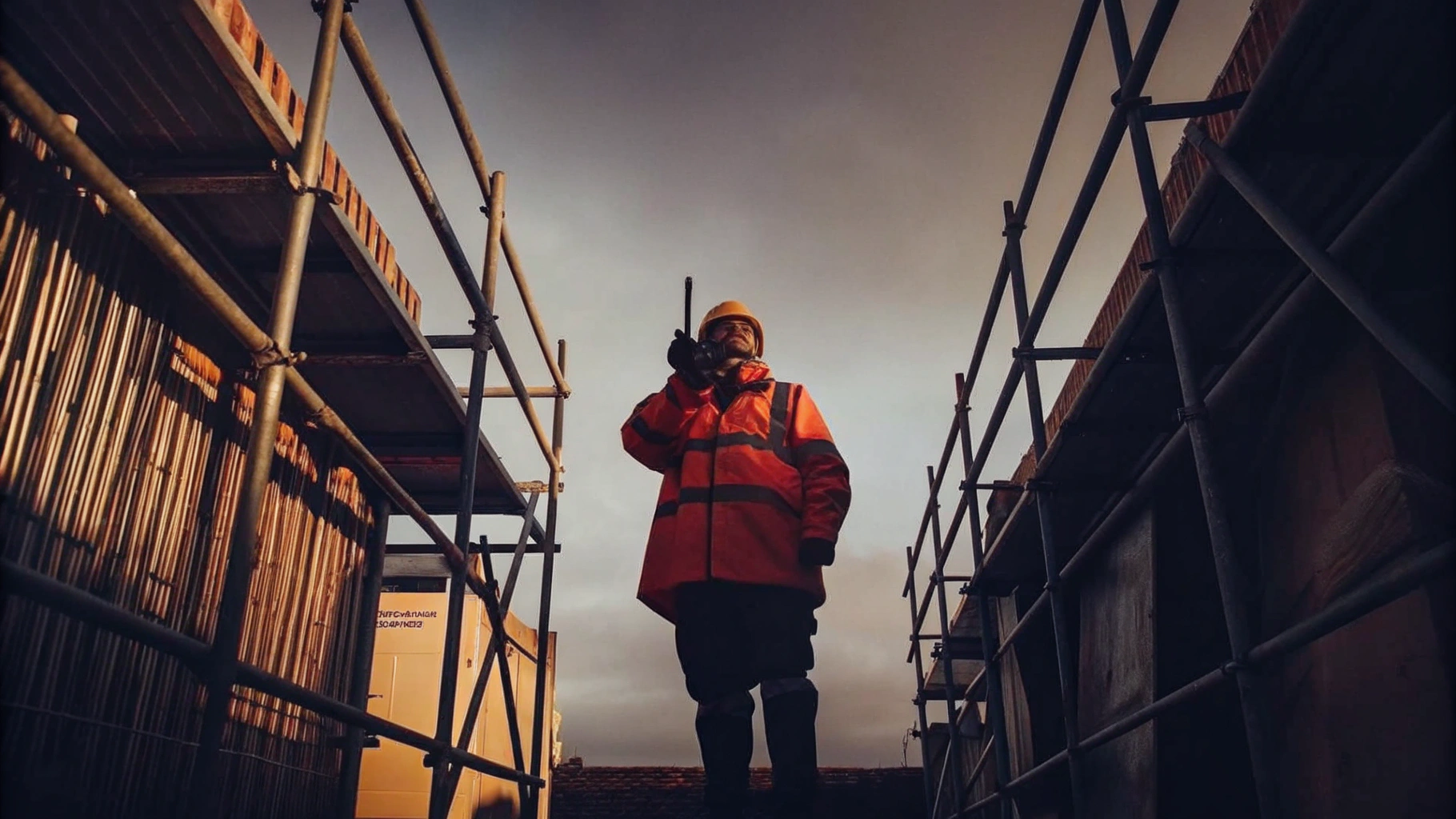
To effectively secure construction sites, it’s essential that security guarding personnel possess a range of critical skills and qualifications. The reality is that without these, businesses face significant risks.
-
SIA Licence: All security personnel must hold a valid Security Industry Authority (SIA) licence. This requirement ensures they meet necessary training and legal standards, which is crucial for maintaining industry integrity and compliance with regulations.
-
First Aid Training: Understanding first aid is vital, as construction sites can be hazardous. Guards must be prepared to address medical emergencies, making qualifications like Level 3 First Aid at Work (FAW) or First Response Emergency Care (FREC) essential for effective site management.
-
Risk Evaluation Abilities: Guards need to be trained to identify potential threats and vulnerabilities specific to construction sites. This includes awareness of the 'focus four' hazards—falls, struck-by incidents, caught-in/between situations, and electrocution—that are prevalent in the industry. Statistics indicate that construction theft costs UK companies over £1 million weekly, underscoring the necessity of employing qualified staff for security guarding onsite. Priority First offers comprehensive building evaluations and risk analyses, along with threat assessments and security policy development, delivering tailored solutions that enhance safety and security on construction sites.
-
Communication Skills: Effective communication is crucial for coordinating with team members, reporting incidents, and engaging with personnel on site. Guards must convey information clearly and build trust with both workers and management.
-
Surveillance Proficiency: Familiarity with surveillance technology, including CCTV systems, is essential for monitoring site activities and responding to incidents. Guards should be adept at using these tools to bolster protective measures and deter potential threats.
The lesson is clear: security guarding through an on-site guard presence provides an effective means of protecting against theft. This statement highlights the importance of well-trained personnel. By ensuring that guards possess these skills and qualifications, alongside the tailored management and consulting services from Priority First, construction sites can significantly enhance their overall effectiveness, mitigate risks, and maintain a safe working environment.
Implement Safety Compliance and Best Practices in Security Operations
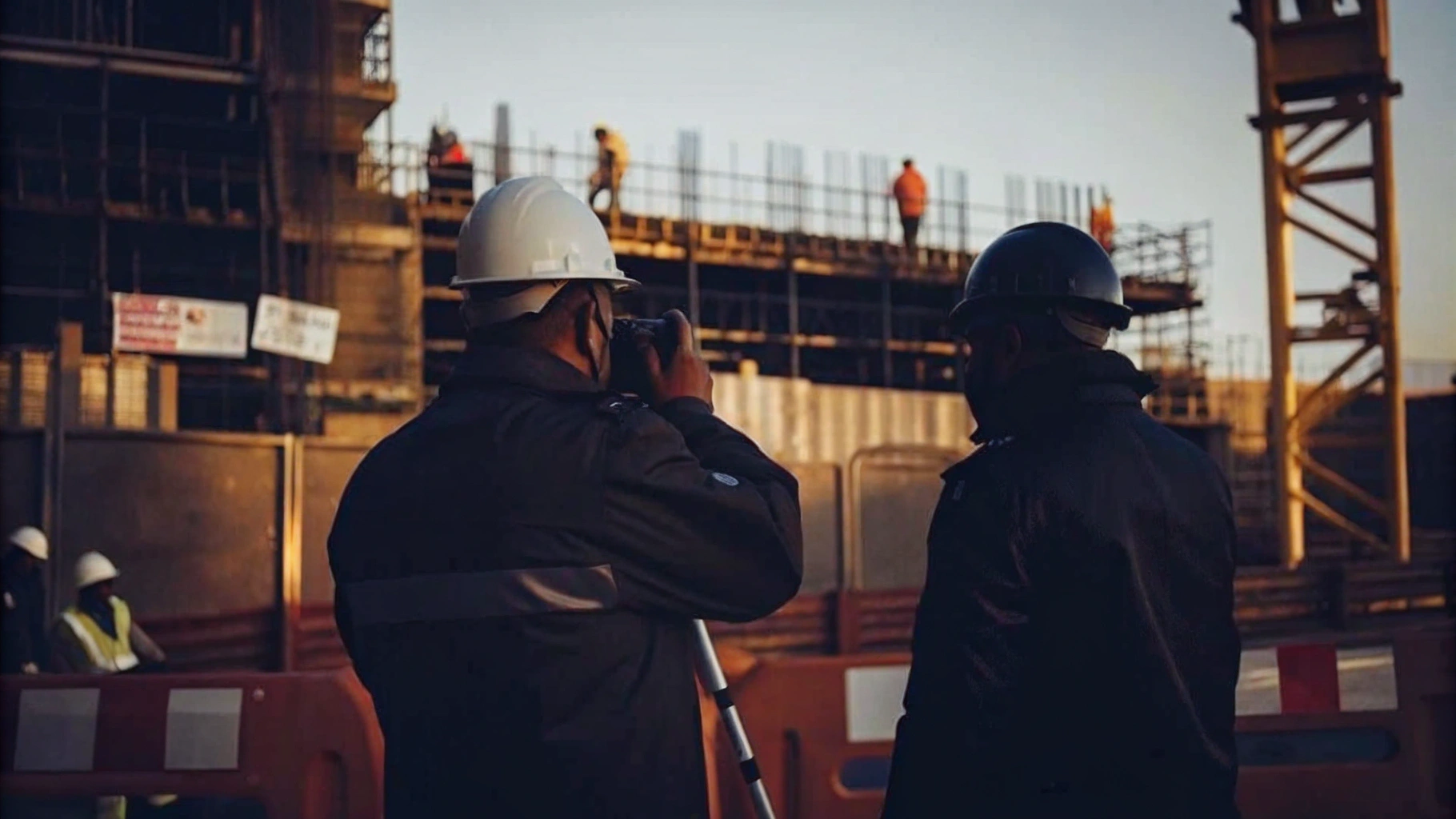
To ensure effective protective measures at building sites, enforcing safety adherence and optimal procedures is essential. Regular training is a key component for security guarding personnel. Ongoing sessions covering safety regulations, emergency procedures, and site-specific hazards are vital. Consistent training not only enhances the skills of security guarding personnel but also fosters a culture of safety awareness, crucial in high-risk environments like construction sites.
Creating and implementing safety protocols that meet industry standards is equally important. In security guarding, guards must be well-informed about their responsibilities to maintain a safe environment, which includes understanding the unique risks associated with construction activities. The reality is that without proper knowledge, the potential for accidents increases significantly.
Establishing clear procedures for reporting incidents, accidents, and safety violations is critical. All staff should recognise the importance of documentation; effective incident reporting can lead to improved safety measures and compliance rates. Organisations prioritising incident reporting often experience a notable reduction in workplace injuries, underscoring the financial and operational benefits of a proactive approach.
Emergency preparedness cannot be overlooked. Regularly updating emergency response plans is essential, detailing procedures for various situations, including fires, medical emergencies, and safety breaches. Conducting regular drills ensures that all staff are familiar with these procedures, enhancing overall safety at the site.
Finally, cultivating a cooperative relationship between site management and security guarding personnel is crucial. This partnership ensures that protective measures are integrated into the overall safety strategies, fostering a cohesive approach to risk management. The lesson is clear: by adopting these practices, building locations can significantly enhance their safety operations while ensuring compliance with safety regulations. Investing in regular training for protective personnel is not merely advantageous; it is essential for maintaining a safe and secure working environment.
Leverage Technology for Enhanced Security Management
Integrating technology into safety management significantly enhances operational efficiency on building projects. The reality is that challenges in security guarding are often underestimated, yet they can have profound implications for businesses.
-
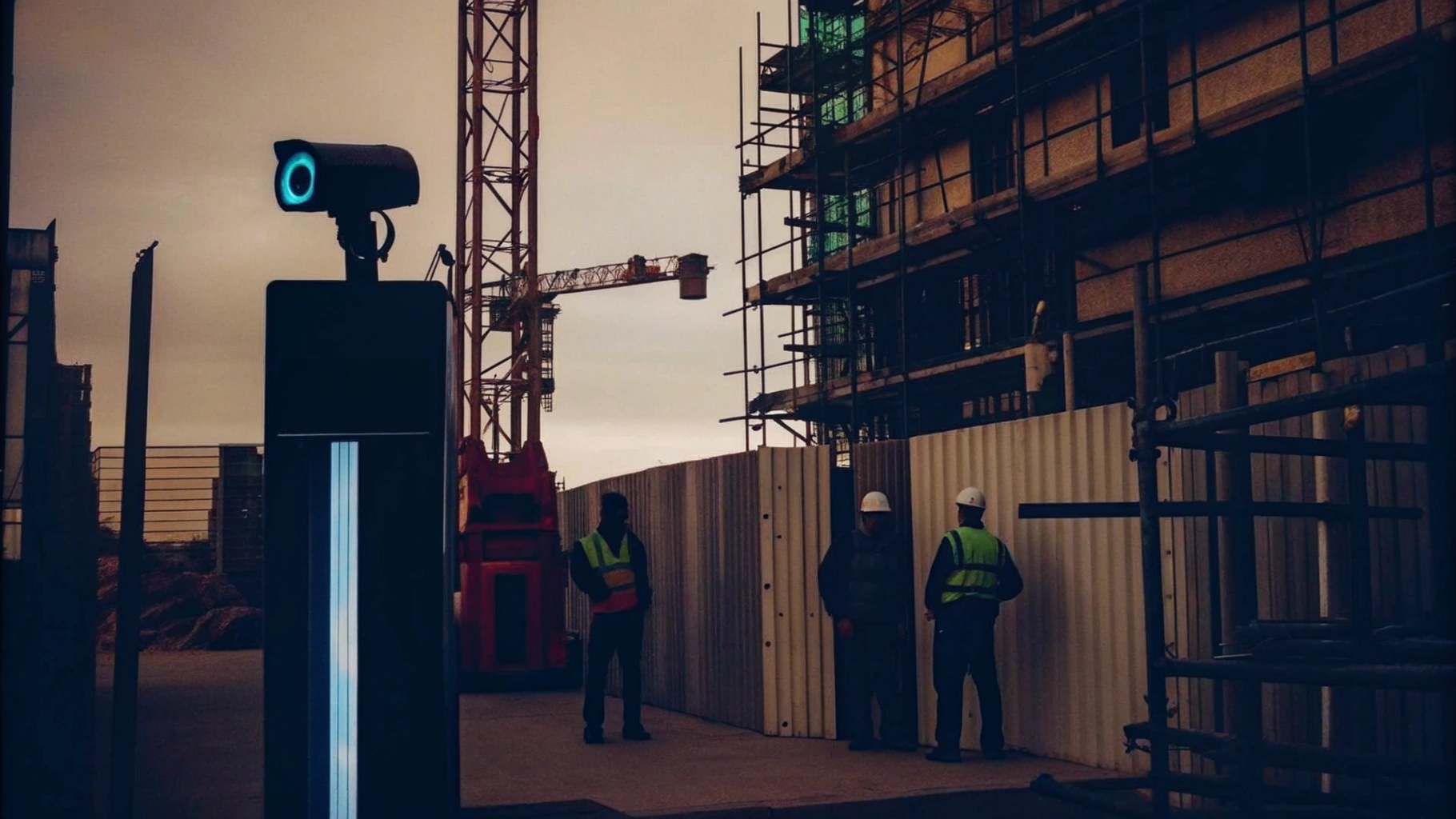
CCTV Surveillance: High-definition CCTV systems with remote monitoring capabilities provide continuous surveillance, enabling quick responses to incidents. These systems not only deter crime but also play a role in security guarding by assisting in monitoring worker safety and compliance with health regulations. The installation of CCTV is more economical than conventional protective measures, offering ongoing monitoring that aids in incident documentation and insurance claims.
-
Access Control Systems: Electronic access control systems, such as biometric scanners and key cards, ensure that only authorised personnel can enter the site. This enhances protection through security guarding by preventing unauthorised access and allows site managers to oversee who is present in real-time. Biometric systems simplify incident reporting and can automatically lock out individuals with fake or expired credentials, thereby maintaining a secure environment.
-
Security guarding involves installing alarm systems that identify unauthorised access or breaches, adding a crucial layer of protection. These systems provide prompt notifications to safety staff, facilitating swift action and reducing the risk of theft or vandalism.
-
Mobile Patrol Apps: Equipping guards with mobile applications for incident documentation, activity tracking, and team communication enhances operations and accelerates response times. This technology improves situational awareness and enables effective management of safety-related tasks throughout the area, which is essential for security guarding.
-
AI and Analytics: Utilising AI-driven analytics to track behaviour patterns and recognise potential threats enhances proactive protective measures. These systems can analyse data from CCTV feeds to detect unusual activities, allowing for timely interventions before incidents escalate.
The lesson is clear: by utilising these technologies, including Priority First’s comprehensive CCTV monitoring and integration services, along with security guarding, building projects can establish a more secure environment. This integration not only protects assets but also fosters a culture of safety and compliance, increasingly demanded by clients and regulatory bodies alike. Furthermore, Priority First's tailored solutions specifically address the unique challenges faced by construction site managers, ensuring that security guarding personnel are well-equipped to handle challenges effectively. Early investment in these technologies can prevent greater losses later.
Conclusion
Effective security guarding on construction sites is not merely about having a presence; it requires a comprehensive approach that integrates:
- Defined roles
- Essential skills
- Compliance with safety protocols
- Strategic use of technology
By establishing clear responsibilities for security personnel, organisations can significantly enhance their ability to protect assets and personnel while fostering a culture of safety and vigilance.
The reality is that comprehensive training, including first aid and risk evaluation, is crucial. Coupled with advanced technology such as CCTV and access control systems, these elements create a robust security framework. This framework not only deters theft and unauthorised access but also ensures a rapid response to incidents. Regular training and incident reporting are vital components that contribute to a safer construction environment, ultimately leading to reduced workplace injuries and operational costs.
In practise, the integration of well-trained security personnel, adherence to safety regulations, and the incorporation of modern technology are essential for effective security management on construction sites. As the construction industry continues to face challenges, prioritising these best practises is crucial for safeguarding not only physical assets but also the well-being of all workers involved. Investing in security measures today will yield significant benefits, ensuring a safer and more efficient construction environment for the future.
Frequently Asked Questions
What are the primary roles of security guards on construction sites?
Security guards on construction sites are responsible for access control, incident response, reporting, and ensuring compliance with safety regulations.
How do security guards manage access control at construction sites?
Guards ensure that only authorised personnel enter the site by verifying identification and managing entry points, which is crucial to prevent unauthorised access.
Why is access control important on construction sites?
Access control is important because statistics show that 70% of construction workers have witnessed theft on-site at least once a year, highlighting the need for stringent measures to safeguard assets.
What methods do security guards use to monitor construction sites?
Security guards utilise regular patrols and surveillance systems, including CCTV and alarm systems, to monitor the site, detect unauthorised access, and deter suspicious activities.
How do security guards respond to incidents on construction sites?
Security guarding teams are trained to react swiftly to breaches, emergencies, or safety incidents and can coordinate with local law enforcement to mitigate risks and resolve issues promptly.
What is the significance of reporting in security guarding?
Keeping thorough records of daily activities, incidents, and unusual events is essential for future safety planning, helping to recognise patterns and identify areas for improvement in protection protocols.
How do security guards contribute to safety compliance on construction sites?
Security guards monitor the use of personal protective equipment (PPE) and report any hazards, thereby contributing to a safer working environment.
What is the overall impact of clearly outlining security guard responsibilities?
Clearly outlining these responsibilities helps improve safety measures on construction sites and ensures guards are well-prepared to manage various situations effectively.