5 Best Practices for Effective Security Systems in Commercial Construction

Introduction
Effective security systems are essential in the high-stakes realm of commercial construction, where valuable assets and personnel are constantly at risk. Construction theft costs UK businesses over £1m a week, underscoring the critical need for robust security measures. This reality highlights that security is not merely an expense; it is a vital component of business continuity.
Ignoring these risks can lead to significant financial losses, operational disruptions, and reputational damage. The lesson is clear: without effective security, construction sites become vulnerable to numerous threats that can derail projects and impact the bottom line. In practise, businesses must recognise security as a fundamental function, not an afterthought.
As the landscape of security technology evolves, project managers must ensure they are implementing the most effective strategies. Priority First stands out as a pragmatic solution, having secured over £1.6bn in assets and demonstrating rapid response times. By investing early in comprehensive security measures, businesses can prevent greater losses down the line.
Exploring these critical components and innovative solutions reveals the keys to creating a robust security framework tailored to the unique challenges of construction environments. With Priority First as a trusted partner, companies can navigate these complexities with confidence, ensuring their operations remain resilient and secure.
Define Commercial Security Systems for Construction Sites
Security systems commercial for building sites consist of interconnected networks of devices and technologies designed to protect assets, personnel, and ongoing projects from various threats. Key components include:
- CCTV monitoring
- Access control systems
- Alarm systems
- Perimeter protection measures
Each element plays a crucial role in forming a robust protection strategy that addresses specific vulnerabilities of construction sites, such as theft, vandalism, and unauthorised access.
CCTV monitoring, for instance, provides high-definition footage that enables swift responses to breaches, significantly reducing theft incidents. The construction worker safety market, valued at £3.2 billion in 2024, is projected to grow to £4.6 billion by 2030, underscoring the increasing focus on safety technologies within the industry.
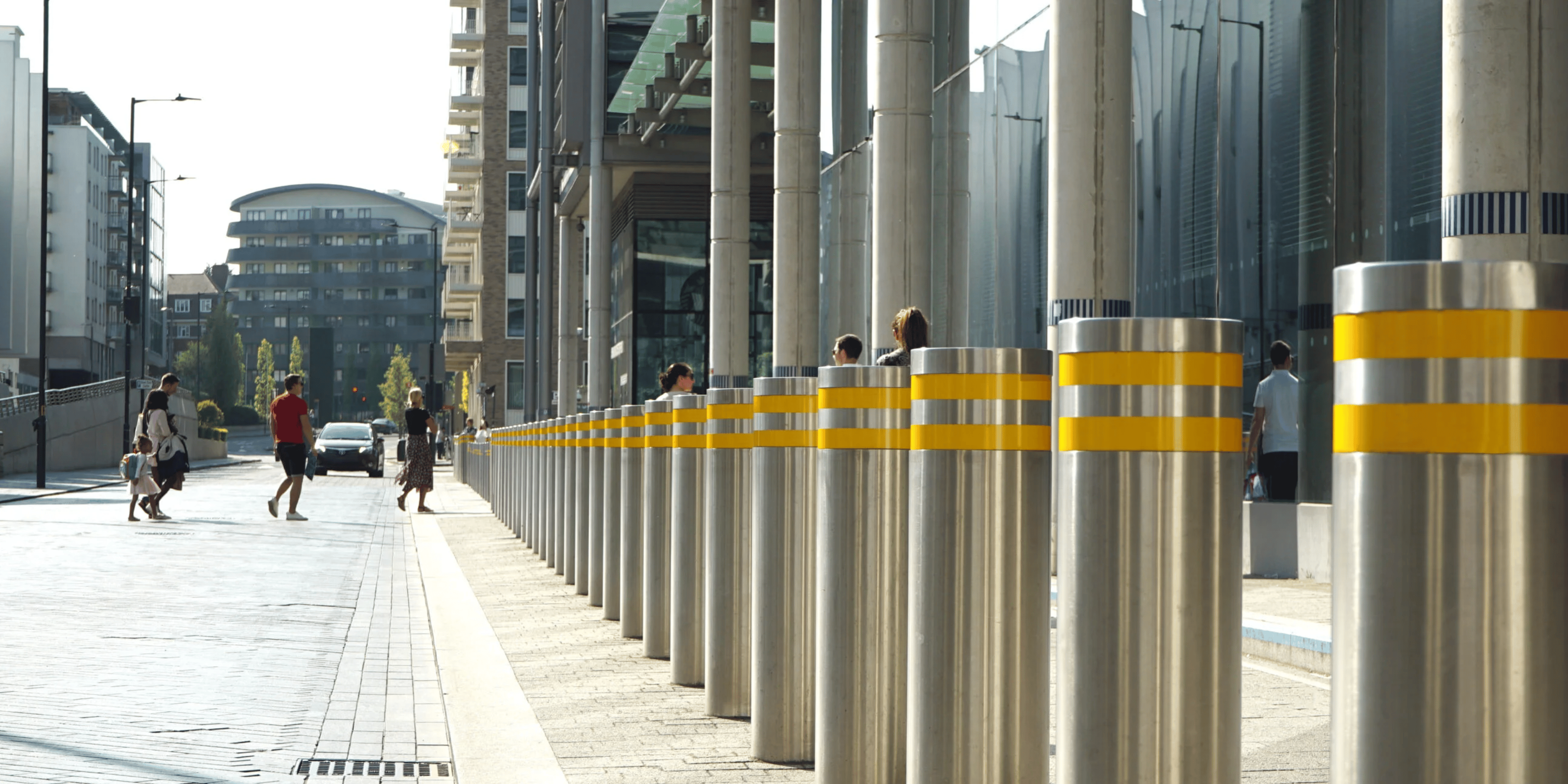
Access management solutions enhance security by ensuring that only authorised individuals can enter sensitive areas, while alarm systems deliver immediate alerts in case of breaches. Perimeter protection measures, including fencing and motion sensors, further deter unauthorised access and protect valuable equipment and materials.
Effective implementation of integrated protection measures in construction environments involves:
- Conducting thorough risk assessments
- Customising solutions to meet specific site needs
- Ensuring regular maintenance and upgrades of monitoring technologies
As the landscape of commercial protection evolves, project managers must adapt their strategies to incorporate security systems commercial, ensuring compliance with safety regulations and effectively safeguarding their investments.
Assess Security Needs Unique to Construction Environments
To effectively safeguard a building area, it is crucial to evaluate its specific security systems commercial requirements. Security challenges, such as theft of materials and equipment, vandalism, and unauthorised access, can be mitigated by implementing security systems commercial to reduce significant risks to construction projects. The reality is that a comprehensive risk evaluation must include assessing the layout of the location, identifying high-value assets, and understanding the movement of personnel and visitors. Engaging with stakeholders, including contractors and workers, provides valuable insights into specific vulnerabilities.
For instance, during the development of a multi-use complex on Kings Road, Priority First implemented:
- key holding
- CCTV monitoring
- logistics management
- facilities management
These measures addressed the challenges posed by mixed residential and commercial tenants and busy foot traffic. In practice, at a luxury hotel building site on Sloane Street, Priority First's oversight management services ensured regulated contractor access, keeping the area secure.
Ignoring these distinct challenges can lead to financial losses, operational disruptions, and reputational damage. Construction theft costs UK businesses over £1m a week, highlighting the importance of proactive security measures. By acknowledging these risks and utilising advanced protective technologies, project managers can apply tailored strategies that effectively protect their initiatives and resources with security systems commercial.
Priority First’s approach is not just about immediate solutions; it’s about fostering long-term business resilience. Their track record of securing over £1.6bn in assets and maintaining rapid response times underscores their commitment to safeguarding client interests. The lesson is clear: investing in security early prevents greater losses later.
Identify Key Components of Effective Construction Security Systems
Effective construction security systems commercial must encompass several essential components to safeguard assets and personnel.
-
CCTV Surveillance: High-definition cameras should be strategically positioned to monitor entry points and high-value areas. Studies indicate that areas equipped with surveillance cameras can experience crime reductions of up to 51%. This statistic underscores the tangible benefits of proactive protective measures. Priority First provides extensive CCTV monitoring services, ensuring real-time surveillance and quick reactions to any suspicious activity, which is vital for maintaining security at the location.
-
Access Control Systems: Implementing electronic gates, ID badges, and biometric scanners is crucial for managing site access. These arrangements ensure that only permitted individuals can access the premises, significantly reducing the risk of unlawful entry and theft. Regular evaluations of access management frameworks can further enhance protection by identifying potential weaknesses. Priority First focuses on integrating these systems with existing protective measures, delivering seamless improvements to your current infrastructure.
-
Alarm Systems: Intruder alarms should be installed to alert security personnel of unauthorized access. These systems can trigger alerts when suspicious movement is detected, activating floodlights and recording activity, which is essential for prompt response and incident documentation. Priority First's alarm response services guarantee that alarms are managed swiftly and efficiently, providing reassurance to location managers.
-
Perimeter Security: Robust fencing and barriers are essential to deter trespassers and clearly define site boundaries. Enhanced perimeter protection measures, such as anti-climb barriers and monitored alarm systems, serve as the first line of defense against intruders. Priority First's expertise in logistics management ensures that these measures are effectively implemented and maintained.
-
On-Site Protection Staff: Employing trained guards offers a visible deterrent and ensures rapid response to incidents. Locations with active protective staff have been shown to experience a significant reduction in opportunistic theft and vandalism. Priority First's trained personnel are dedicated to maintaining a safe environment, ensuring that any unusual or unauthorized occurrences are addressed promptly.
By combining these elements, including seamless integration with existing systems, construction sites can establish a comprehensive security systems commercial framework that not only protects valuable assets but also fosters a culture of safety and compliance. Regular risk assessments and ongoing training for personnel are also crucial to adapt to evolving threats and sustain effective protective measures.
Leverage Advanced Technologies for Enhanced Security
Integrating advanced technologies into security systems commercial significantly enhances protection strategies. For instance, AI-powered surveillance systems, featuring intelligent CCTV with motion detection and facial recognition, can autonomously identify suspicious activities in real-time. This proactive approach not only boosts safety but also leads to a reduction in incident rates, with organisations reporting notable decreases in theft and vandalism.
Remote surveillance through cloud-based platforms allows for continuous observation of construction sites. Project supervisors can access live video streams and essential project information from any device, enabling rapid responses to incidents. Research indicates that remote monitoring can cut manual inspections by up to 50%, optimising operations and improving efficiency.
Security systems commercial, including access control technologies like smart card readers and biometric systems, enhance site security by ensuring that only authorised personnel can enter sensitive areas. This not only secures the site but also aids compliance with safety regulations by tracking who is on-site at any given time.
Predictive analytics plays a crucial role in anticipating potential threats by identifying patterns and vulnerabilities. AI technologies can analyse historical data alongside real-time patterns to detect unusual behaviours, allowing for prompt interventions before incidents escalate.
By leveraging these technologies, project managers can foster a proactive safety culture that adapts to emerging threats, ultimately enhancing site safety and operational efficiency. The lesson is clear: investing in advanced security systems commercial today prevents greater losses tomorrow.
Ensure Professional Installation and Regular Maintenance
Professional installation is crucial for effective security systems commercial in construction measures. Experienced technicians from Priority First ensure that all components are integrated correctly and optimised for performance. Regular maintenance is equally important; it prevents failures and guarantees compliance with safety regulations. This includes routine inspections, software updates, and testing of alarm systems.
The reality is that creating a maintenance timetable can help identify and address potential issues before they escalate, ensuring that security measures remain effective over time. Ignoring these aspects can lead to significant financial losses and operational disruptions.
By prioritising professional installation and ongoing maintenance of security systems commercial, construction managers can safeguard their sites against evolving threats. Priority First offers comprehensive access control and logistics management solutions, enhancing overall site security. The lesson is clear: investing in robust security measures today prevents greater losses tomorrow.
Conclusion
Implementing effective security systems in commercial construction is not just advisable; it’s essential for protecting valuable assets, personnel, and ongoing projects. The reality is that integrating components like CCTV monitoring, access control systems, alarm systems, and perimeter protection creates a comprehensive defence strategy tailored to the unique vulnerabilities of construction sites. By prioritising these elements, project managers can significantly mitigate risks associated with theft, vandalism, and unauthorised access, ensuring a safer working environment.
That said, key practises must be highlighted:
- Conducting thorough risk assessments
- Customising security solutions
- Ensuring professional installation and regular maintenance
The importance of leveraging advanced technologies, such as AI-powered surveillance and cloud-based monitoring, cannot be overstated; these tools enhance site security and operational efficiency. Additionally, engaging stakeholders to identify specific security needs has emerged as a vital factor in developing effective strategies.
The lesson is clear: investing in robust security systems today is essential for safeguarding construction projects against future threats. By adopting best practises and continuously adapting to the evolving landscape of security challenges, construction managers can protect their investments and foster a culture of safety that benefits everyone involved. Embracing these strategies will lead to long-term resilience and success in the commercial construction industry.
Frequently Asked Questions
What are commercial security systems for construction sites?
Commercial security systems for construction sites consist of interconnected networks of devices and technologies designed to protect assets, personnel, and ongoing projects from threats such as theft, vandalism, and unauthorised access. Key components include CCTV monitoring, access control systems, alarm systems, and perimeter protection measures.
How does CCTV monitoring contribute to construction site security?
CCTV monitoring provides high-definition footage that enables swift responses to breaches, significantly reducing theft incidents on construction sites.
What role do access control systems play in construction security?
Access control systems enhance security by ensuring that only authorised individuals can enter sensitive areas of the construction site.
Why are alarm systems important for construction sites?
Alarm systems deliver immediate alerts in case of breaches, allowing for quick action to mitigate security threats.
What are perimeter protection measures, and how do they help?
Perimeter protection measures, such as fencing and motion sensors, deter unauthorised access and protect valuable equipment and materials on construction sites.
What steps should be taken to implement effective security measures in construction environments?
Effective implementation involves conducting thorough risk assessments, customising solutions to meet specific site needs, and ensuring regular maintenance and upgrades of monitoring technologies.
Why is it important to assess security needs unique to construction environments?
Assessing security needs is crucial to mitigate specific challenges such as theft, vandalism, and unauthorised access, which can lead to financial losses and operational disruptions.
How can engaging with stakeholders improve construction site security?
Engaging with stakeholders, including contractors and workers, provides valuable insights into specific vulnerabilities and helps tailor security measures effectively.
What are some examples of security measures implemented by Priority First on construction sites?
Priority First implemented key holding, CCTV monitoring, logistics management, and facilities management to address security challenges on construction sites, such as mixed-use developments and busy foot traffic.
What are the financial implications of ignoring security challenges in construction?
Ignoring security challenges can lead to financial losses, operational disruptions, and reputational damage, with construction theft costing UK businesses over £1 million a week.
How does investing in security early benefit construction projects?
Investing in security early helps prevent greater losses later by safeguarding assets and ensuring long-term business resilience.