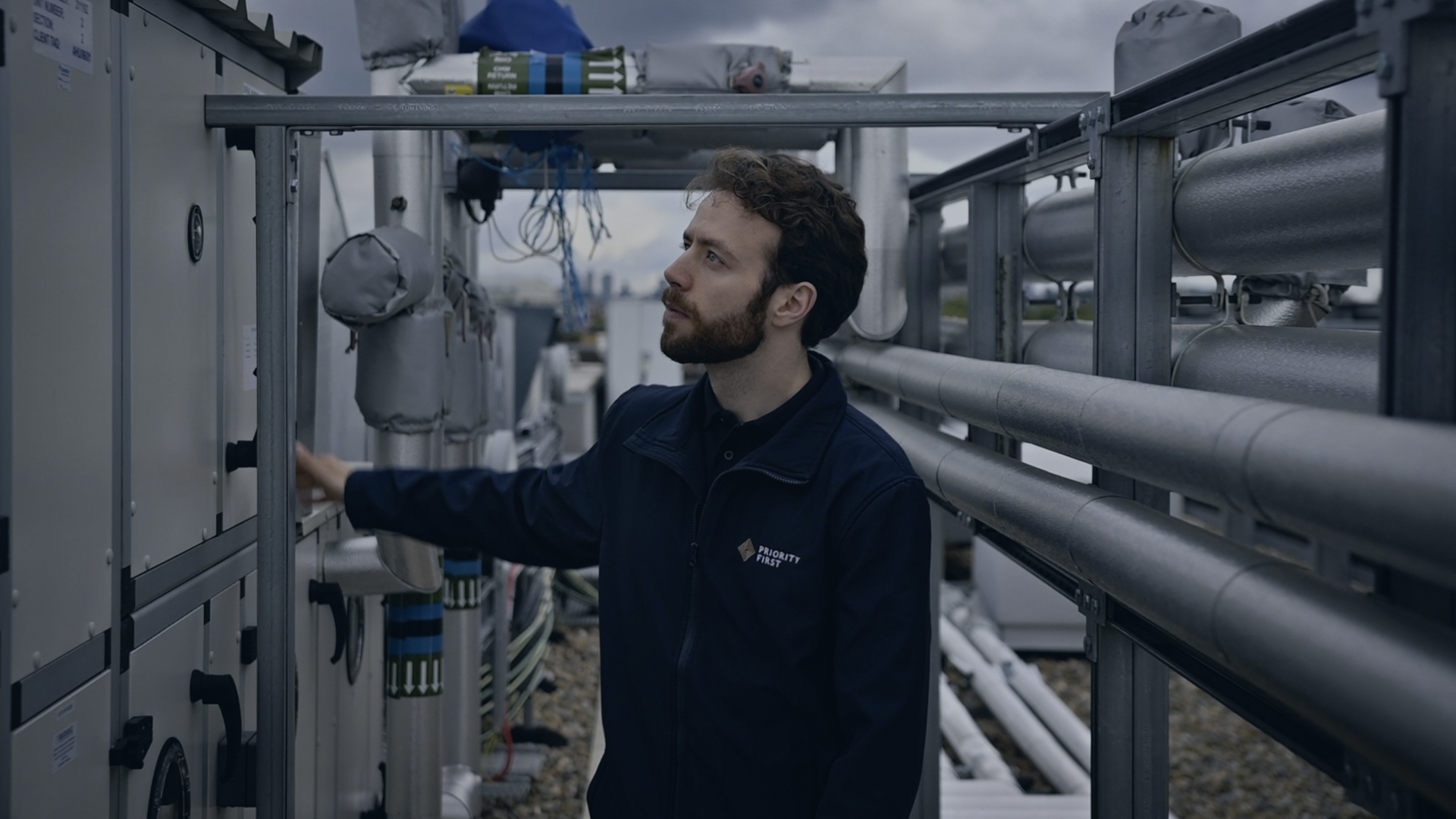
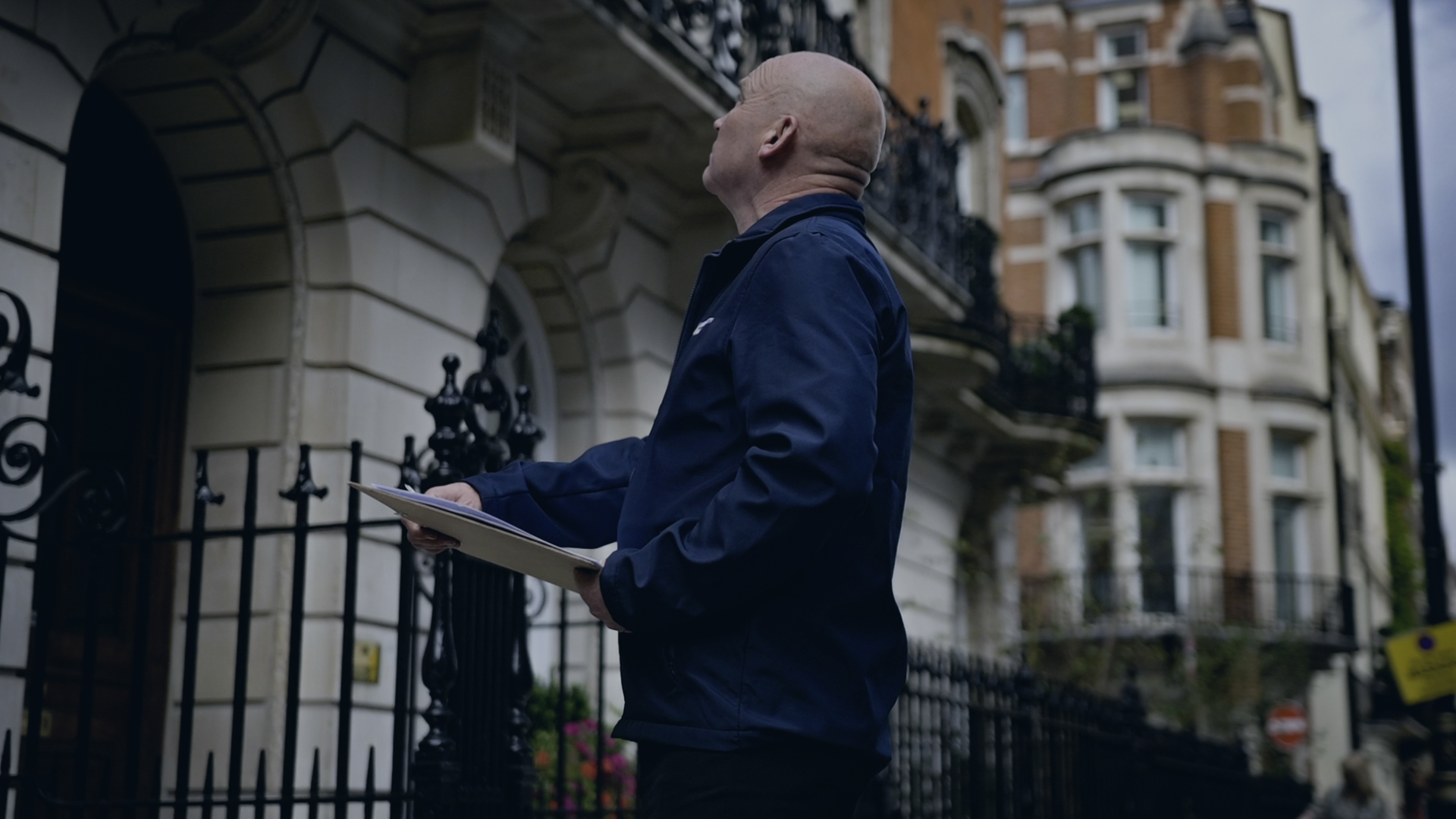
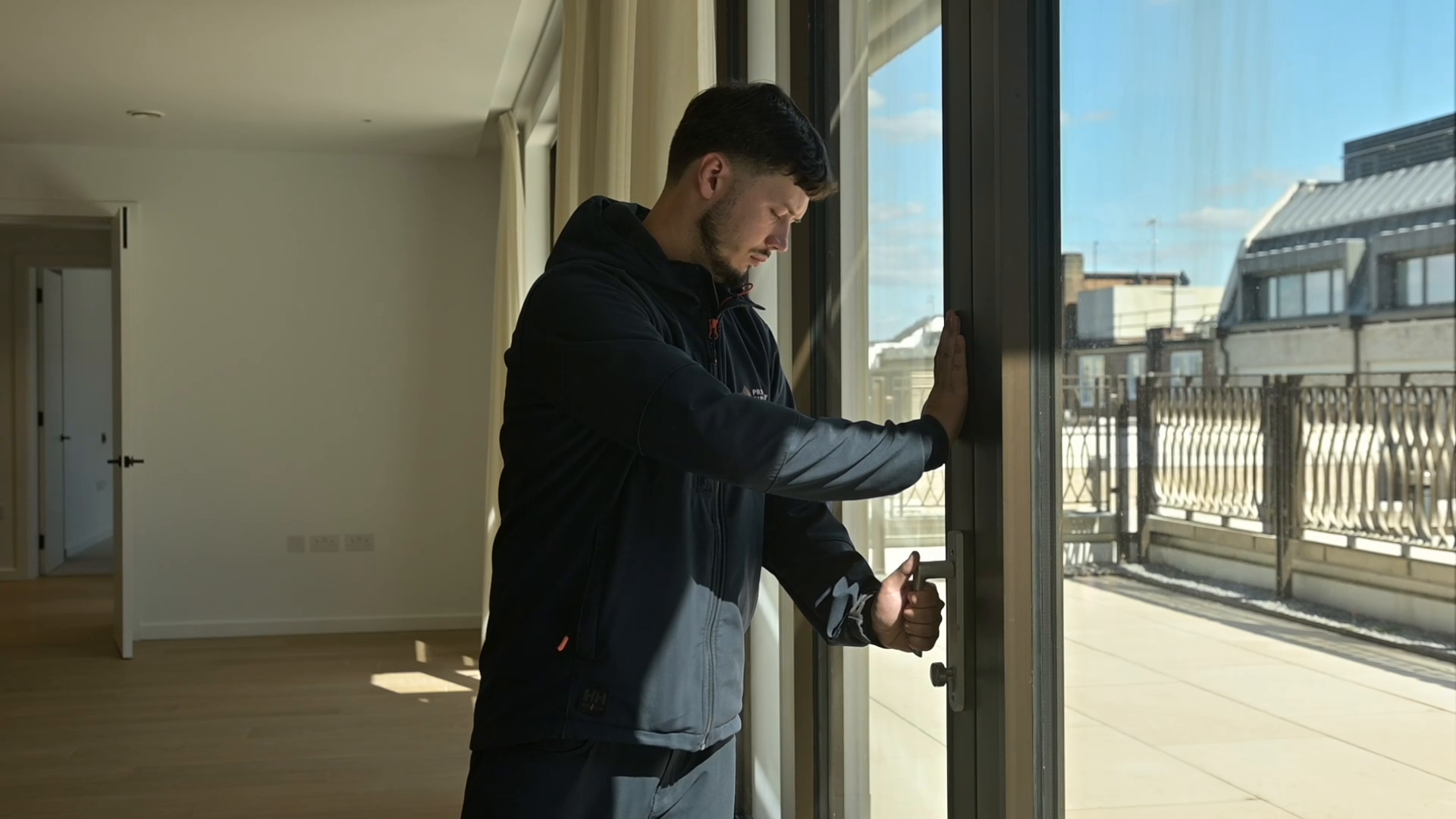
8 Benefits of Mobile Patrol Security for Construction Sites


Last updated: 7 September 2026
Mobile patrol security uses roving, uniformed officers who visit a construction site on scheduled or randomised rounds rather than remaining fixed at one post. As of 2024, construction theft was estimated to cost UK businesses over £1 million a week, and mobile patrols address this by combining visible deterrence, rapid emergency response, access control and flexible scheduling — typically at a lower cost than a static 24-hour guard.
Key Takeaways
- Construction theft cost UK businesses an estimated £1 million-plus per week as of 2024, making unattended sites a high-value target for opportunist crime.
- Mobile patrol security combines visible deterrence, randomised timing and rapid response, making it harder for criminals to predict when a site is unguarded.
- Priority First has secured over £1.6 billion in client assets and holds a 5.0-star Google rating from 44 reviews, based on the company's own operational data.
- In one verified case, Priority First deployed an SIA-licensed officer to a broken-into Covent Garden site within two hours of the first call — from 12:30 contact to 14:30 on-site.
- Mobile patrols cost less than round-the-clock static guarding while still covering multiple checkpoints, access points and delivery areas across a site.
What Is Mobile Patrol Security?
Mobile patrol security is a service in which uniformed, SIA-licensed officers drive or walk between a series of checkpoints on a site or across multiple sites, rather than remaining at a single fixed post. Officers typically check access points, materials compounds, plant and equipment storage, and perimeter fencing on a schedule that can be fixed, randomised, or a mix of both to prevent patterns forming.
On a construction site, this usually sits alongside other measures — CCTV monitoring, access control and, on larger developments, static guarding — as part of a layered security strategy. The Private Security Industry Act 2001 requires that any officer carrying out these duties holds an individual SIA (Security Industry Authority) licence, which is the legal minimum standard for a security operative working in the UK.
Why Does Security Matter So Much in UK Construction?
Security matters in UK construction because sites hold high-value materials, plant and equipment in often-unattended locations, and theft was estimated to cost the sector over £1 million a week as of 2024. Left unaddressed, this exposure leads to direct financial loss, delayed project timelines, and reputational damage with clients and insurers.
Construction sites present an unusual combination of risk factors: valuable copper, tools and machinery are frequently stored outdoors or in temporary compounds, access is hard to fully lock down while work is ongoing, and sites often stand empty overnight and at weekends. This combination makes them a recurring target for organised and opportunist theft alike.
A pragmatic response is to treat security as a core operational function rather than an afterthought — built into the project plan from the start rather than added after an incident. Priority First treats mobile patrol security as one part of that function, working alongside access control, CCTV monitoring and, where needed, static guarding to protect a site throughout its build programme.
How Does Priority First Deliver Mobile Patrol Solutions for Construction Sites?
Priority First delivers mobile patrol security for construction sites by combining SIA-licensed officers with access control and photo-backed checkpoint verification, so managers can see exactly which areas were checked and when. This replaces the older paper-log approach, where a missed checkpoint could pass unnoticed.
Officers patrol on schedules tailored to each site, checking perimeter fencing, materials compounds, plant storage and vulnerable access points. On some of Priority First's larger prime-London contracts, officers complete 250–280 patrols per building across a 16-building estate, with every checkpoint requiring a timestamped, watermarked photo to register as complete — a standard the company applies as its own verified evidence practice. Where a checkpoint is missed, it shows as a gap in the record rather than passing silently.
Access control regulates the flow of personnel and vehicles onto site, ensuring only authorised individuals reach sensitive areas. Roving officers also coordinate deliveries — Priority First's own data records 100% of deliveries photographed and signed out on the sites it manages, replacing a paper-based log. Tailored risk assessments allow the company to focus patrol routes and frequency on the areas of a site most exposed to theft or vandalism, adjusting as the build progresses. Alongside patrols, Priority First offers key holding and alarm response for out-of-hours emergencies, giving clients an economical way to scale protection up or down as a project moves through different phases.
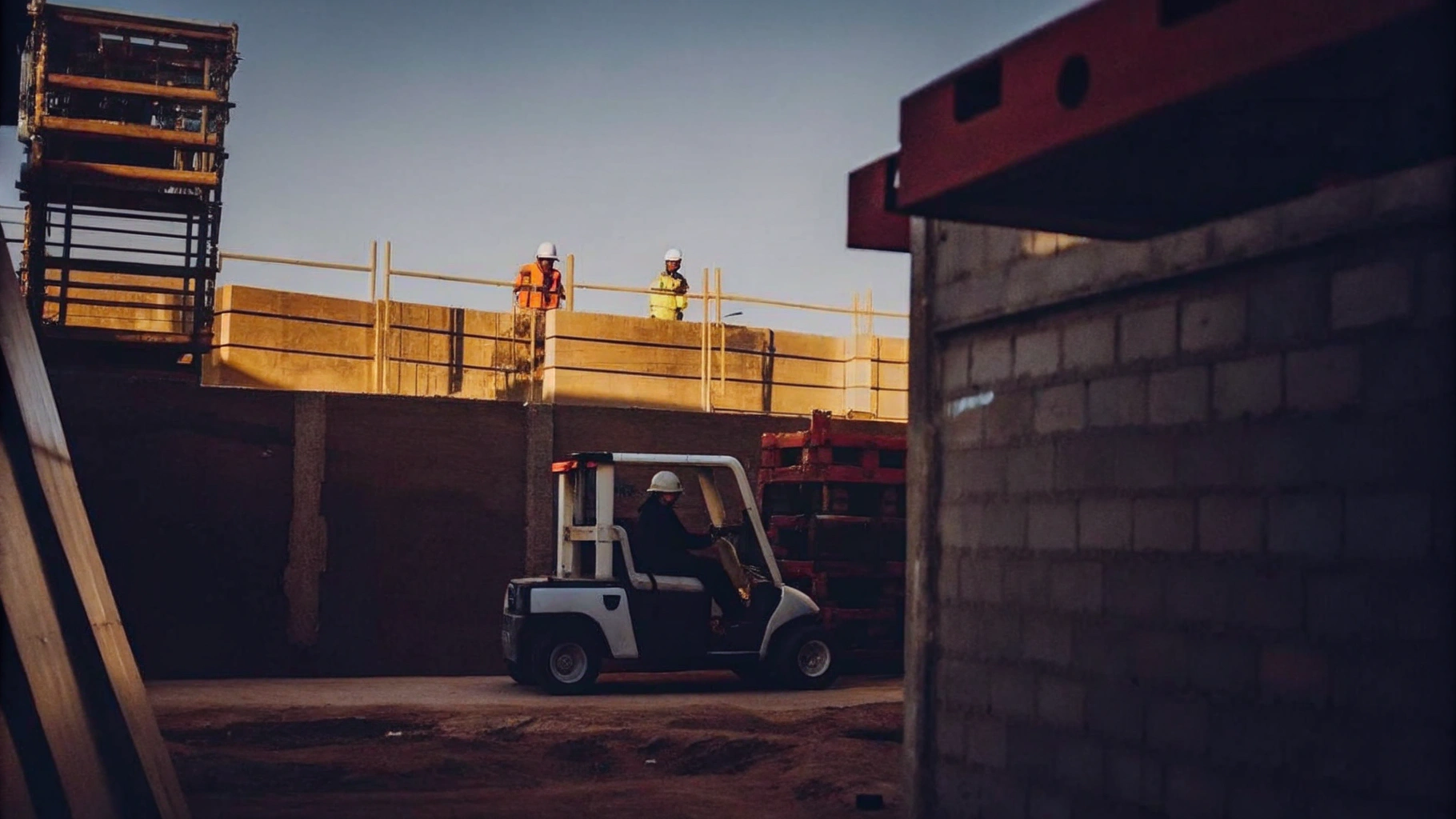
Does a Visible Security Presence Actually Deter Crime on Site?
A visible security presence deters crime by signalling to potential offenders that a site is under active observation, which increases the perceived risk of being caught. Uniformed officers conducting rounds — rather than remaining static — reinforce this message because criminals cannot easily predict when the site is unguarded.
This visibility works on two levels. First, uniformed officers actively checking access points and compounds make clear that the location is monitored, which discourages casual and opportunist theft. Second, the unpredictability of patrol timing closes the "windows of opportunity" that a fixed guard post or predictable schedule can leave open — a break-in becomes a much higher-risk proposition when the next patrol could arrive at any time.
Priority First applies this approach across its prime-central-London portfolio, which as of the company's most recent count spans 24 sites on a single monitoring platform, up from 18 previously, with more than 4,900 photo-backed patrols completed to date — each one carrying officer ID, GPS location and a timestamp. This kind of layered, verifiable presence is one part of the broader manned guarding approach the company applies to commercial and residential sites across the capital.

How Quickly Can Mobile Patrols Respond to a Construction Site Emergency?
Mobile patrol officers can typically reach an incident within minutes because they are already moving between multiple points on or near a site, rather than being static at a distant location. This speed matters most for alarm activations, break-ins and safety incidents where a delayed response can mean the difference between a contained incident and a significant loss.
Trained SIA-licensed officers are equipped to manage alarm activations, investigate suspicious activity and coordinate with emergency services when required. Their ability to move quickly across a site — or between several nearby sites — means help can often arrive faster than waiting for a single static guard or an off-site response team to travel in.
In one verified example, Priority First received a call at 12:30 about a break-in at a Covent Garden site overnight; a quote was agreed on that same call, and an SIA-licensed operative was deployed to the site by 14:30 — a two-hour turnaround from first contact to boots on the ground. This kind of rapid deployment, alongside static guarding and CCTV integration where a site has it installed, is designed to make mobile patrols a practical, responsive layer within a wider construction security plan rather than a passive deterrent alone.
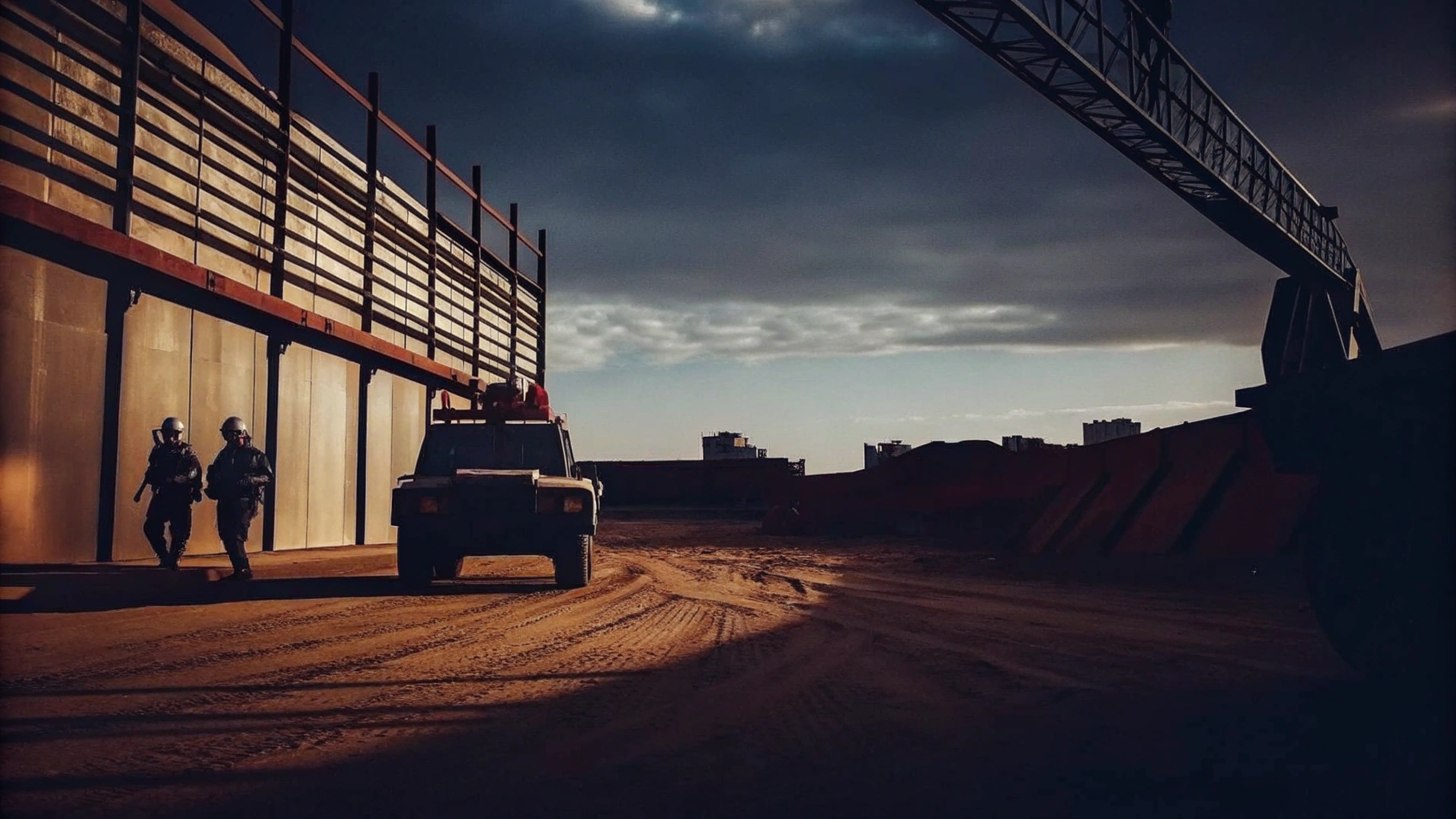
How Do Mobile Patrols Prevent Theft and Vandalism on Site?
Mobile patrols prevent theft and vandalism by combining routine checkpoint inspections with unpredictable timing, so vulnerabilities are identified before they can be exploited and criminals cannot reliably plan around a fixed schedule. Officers check that materials and equipment are properly stored and that only authorised personnel are on site.
Routine inspections allow officers to spot issues early — an unlocked compound, a damaged fence panel, equipment left exposed overnight — and address them before they become an opportunity for theft. Because patrol timing can be randomised, criminals cannot predict exactly when officers will pass a given checkpoint, which complicates any attempt to plan a break-in around known guard movements.
Beyond deterrence, mobile patrol officers are also positioned to respond quickly when an incident does occur, alerting emergency services and providing an immediate on-site response rather than relying solely on remote monitoring. Integrating mobile patrols into a wider security guard services strategy — alongside access control and CCTV where applicable — lets construction managers safeguard assets while keeping the project moving. Priority First's facilities management services can complement this by aligning security operations with wider site compliance and operational needs.
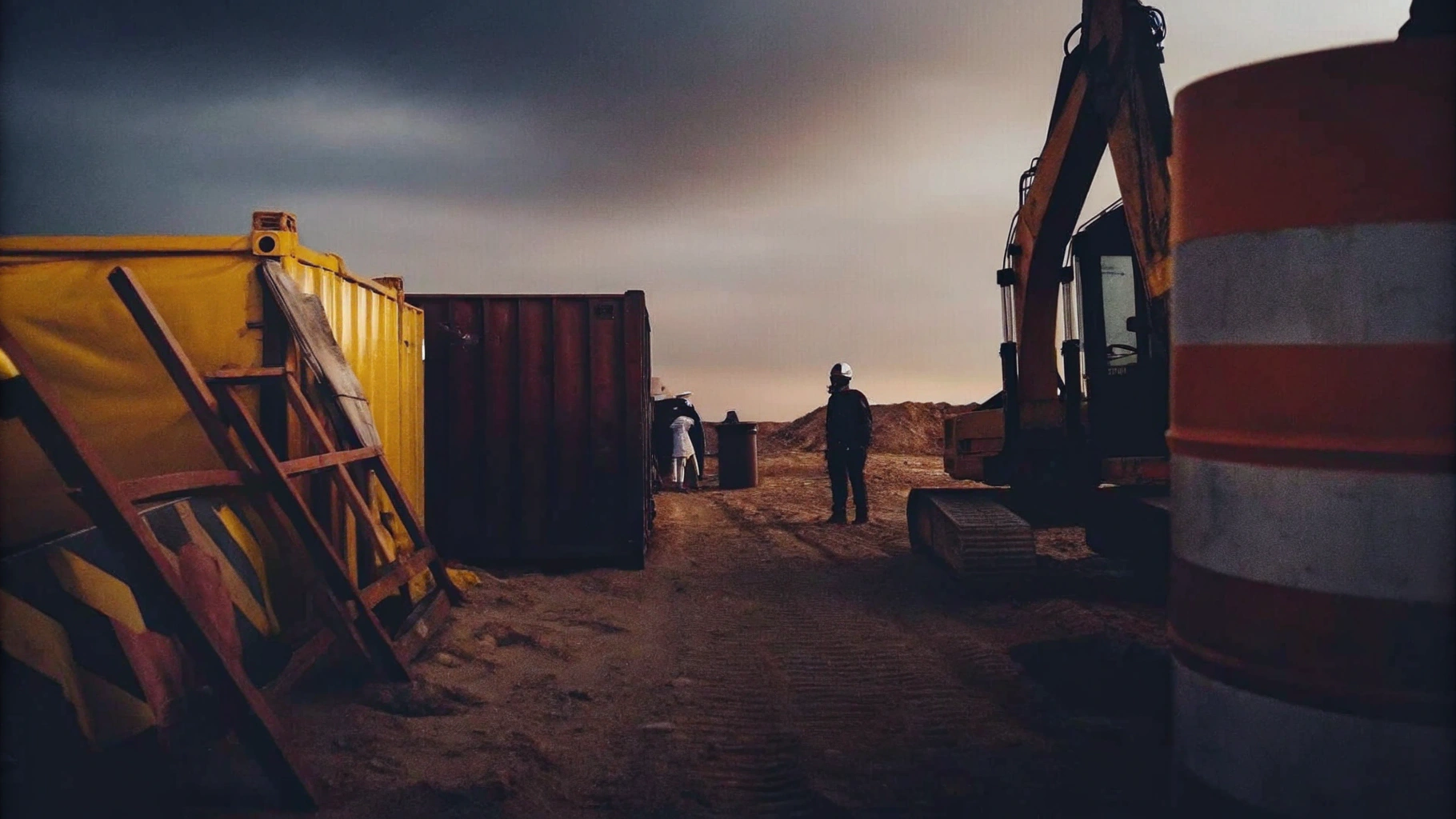
How Does Mobile Patrol Security Protect Workers and Visitors?
Mobile patrol security protects workers and visitors by controlling who enters the site and maintaining a visible, monitored presence throughout the working day and beyond. Officers checking access points and conducting regular rounds reduce the risk of unauthorised individuals entering hazardous areas of an active construction site.
This matters because construction sites carry inherent physical risks — moving plant, unfinished structures, materials storage — and an unmonitored or poorly controlled site increases the chance that an unauthorised person wanders into a hazardous area. A visible patrol presence, performing regular inspections and communicating real-time site conditions where needed, helps maintain both the physical safety of everyone on site and compliance with site access rules.
Treating this as a core part of site management, rather than a bolt-on, supports smoother project delivery: fewer unauthorised entries and better-controlled access mean fewer disruptions and a lower risk of safety incidents that could halt work. For sites that also handle sensitive deliveries or high footfall from visitors and subcontractors, this overlaps with the kind of front-of-house control covered in manned guarding services more broadly.

What Training Do Mobile Patrol Officers Need?
Mobile patrol officers must hold an individual SIA licence under the Private Security Industry Act 2001, which is the legal minimum requirement for anyone carrying out manned guarding duties in the UK. Beyond this legal baseline, effective mobile patrol work typically draws on skills in threat assessment, emergency response and conflict resolution.
An SIA licence confirms that an officer has met the regulator's training and background-check requirements before working as a security operative. On top of that licence, officers benefit from practical experience in assessing risk at a given checkpoint, recognising the signs of forced entry or tampering, responding calmly to alarm activations, and de-escalating confrontations with intruders or difficult visitors without resorting to unnecessary force.
This combination of legal licensing and practical skill is what allows officers to do more than simply "walk the site" — it lets them identify genuine vulnerabilities, keep accurate activity records for each checkpoint, and respond appropriately when something goes wrong. Priority First fields 11 or more officers operating on a single monitoring system across its portfolio, with as many as 7 officers inducted to cover a single prime site, reflecting the staffing depth needed to keep patrol coverage consistent.
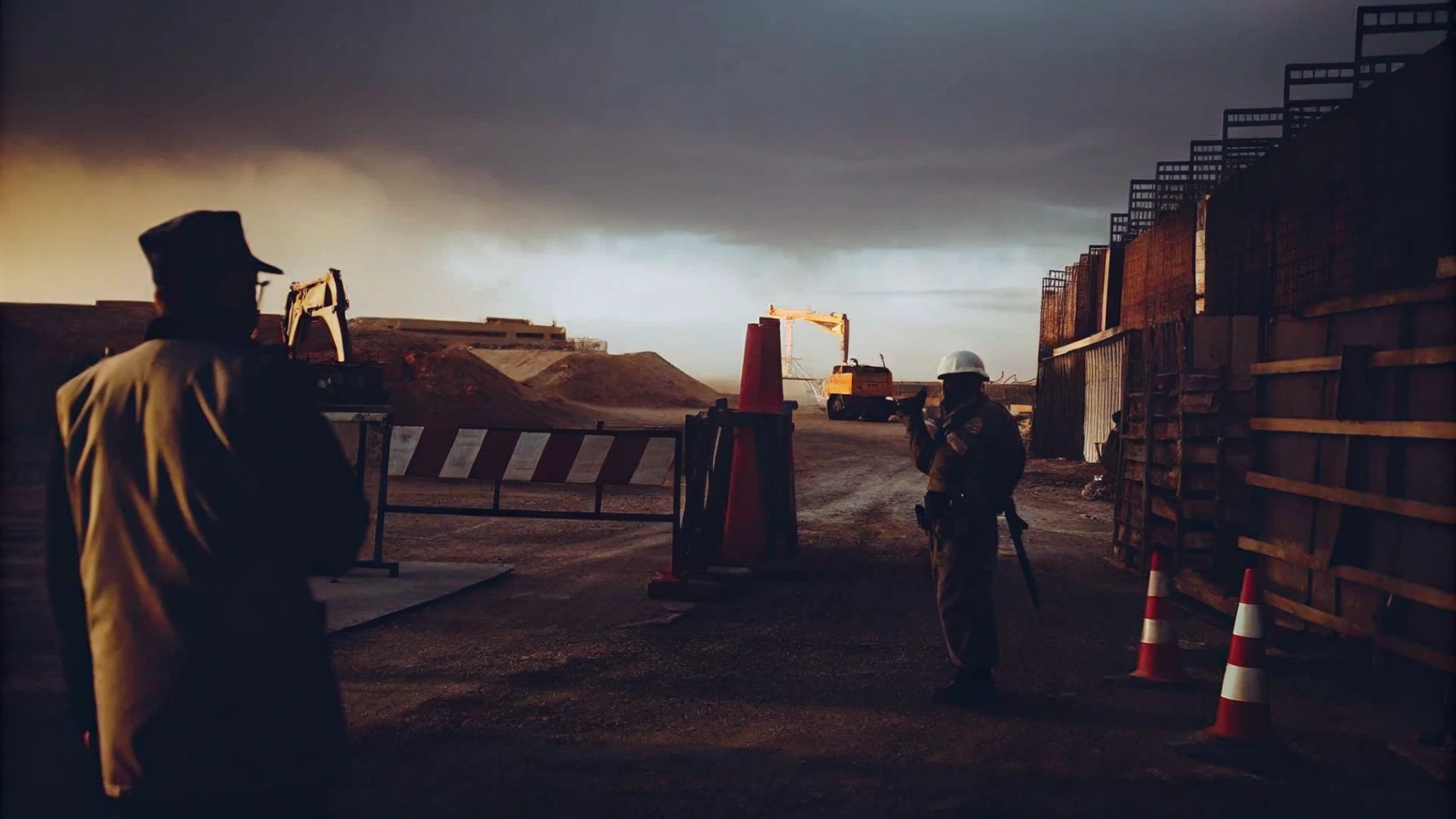
What Technology Supports Modern Mobile Patrol Security?
Modern mobile patrol security relies on GPS (Global Positioning System) tracking and photo-based checkpoint verification to prove that patrols happened as scheduled, rather than relying on an officer's word or a paper log. This turns patrol activity into a documented, checkable record for the client.
Each checkpoint on a Priority First-managed site requires a photo, watermarked with officer ID, GPS location and a timestamp, before it registers as complete. On one mixed-use development, this approach took a site from zero photographed checkpoints before onboarding to 152 photographed checkpoints, with 100% of checkpoint completions now carrying a watermarked photo, compared with 0% before onboarding. Where an officer misses a checkpoint, the record shows a gap rather than silently passing it as done — a meaningful difference from a paper log that can simply be filled in after the fact.
This kind of evidence-based patrolling also speeds up onboarding: Priority First has brought new sites live within a fortnight, including a 10-checkpoint serviced residence, with the first provable, photo-backed patrol typically completed within days of go-live rather than the weeks it can take to bed in a traditional guarding contract. For construction managers, this means visibility into exactly which areas were checked, when, and by whom — turning patrol reporting into an operational tool rather than a compliance formality.
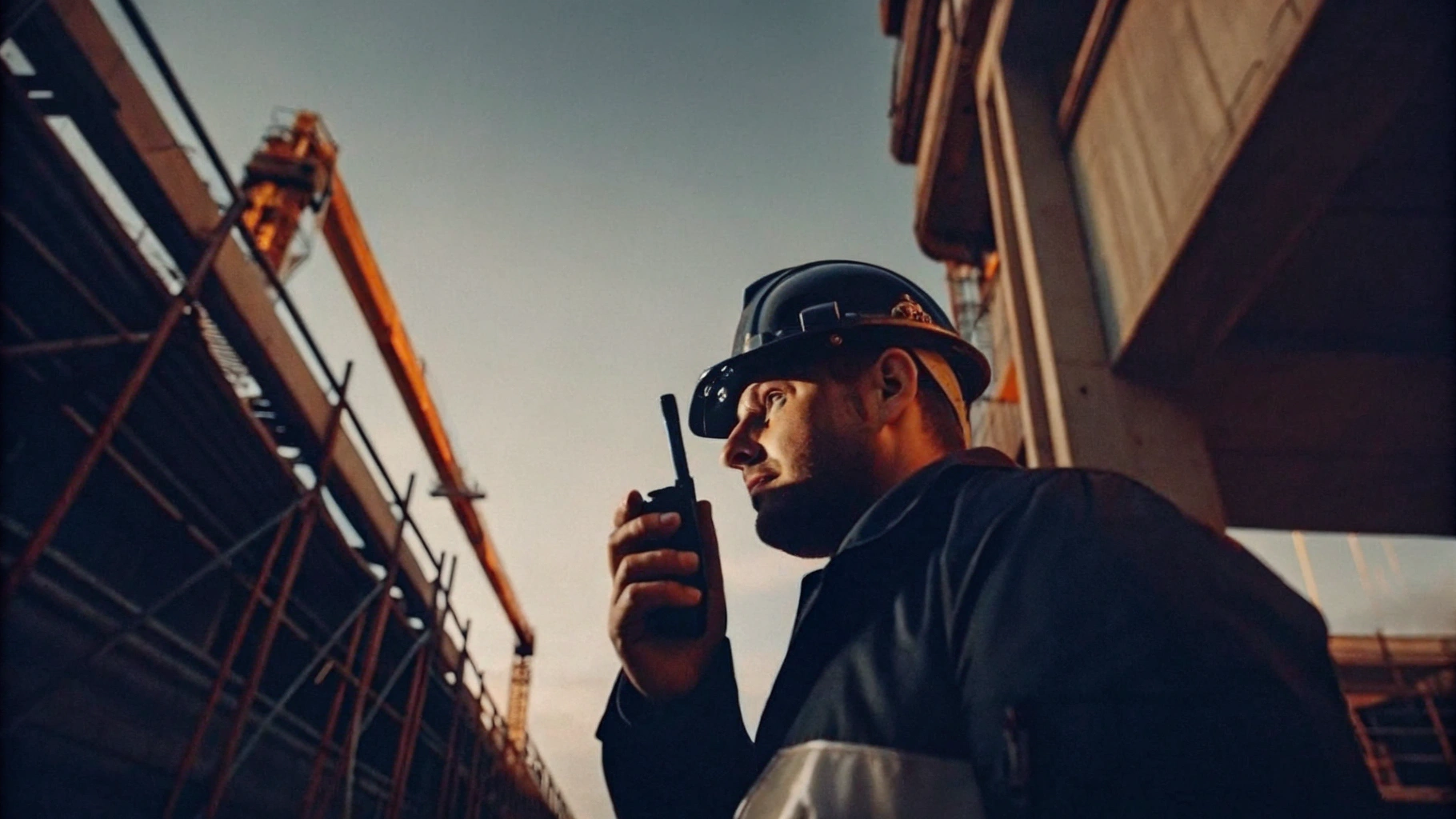
Why Does 24/7 Coverage Matter for Construction Sites?
24/7 mobile patrol coverage matters because construction sites are typically at their most vulnerable outside working hours, when materials and plant are left unattended overnight and at weekends. Continuous or scheduled overnight monitoring closes this gap without requiring a full-time static guard on every site.
Most theft and vandalism on construction sites happens when no one is around to see it — after the last worker has left for the day, or over a weekend when a site stands empty. Round-the-clock or scheduled overnight patrol coverage, combined with key holding and alarm response, means a site is never left completely unmonitored, and any triggered alarm can be met with a rapid, verified response rather than waiting until the next working day.
For construction managers balancing budget against risk, 24/7 mobile coverage offers a middle ground between no out-of-hours security at all and the cost of a static guard on every shift. Investing in this coverage from the start of a project, rather than after an incident, is generally the more cost-effective route to protecting a site's most vulnerable hours.
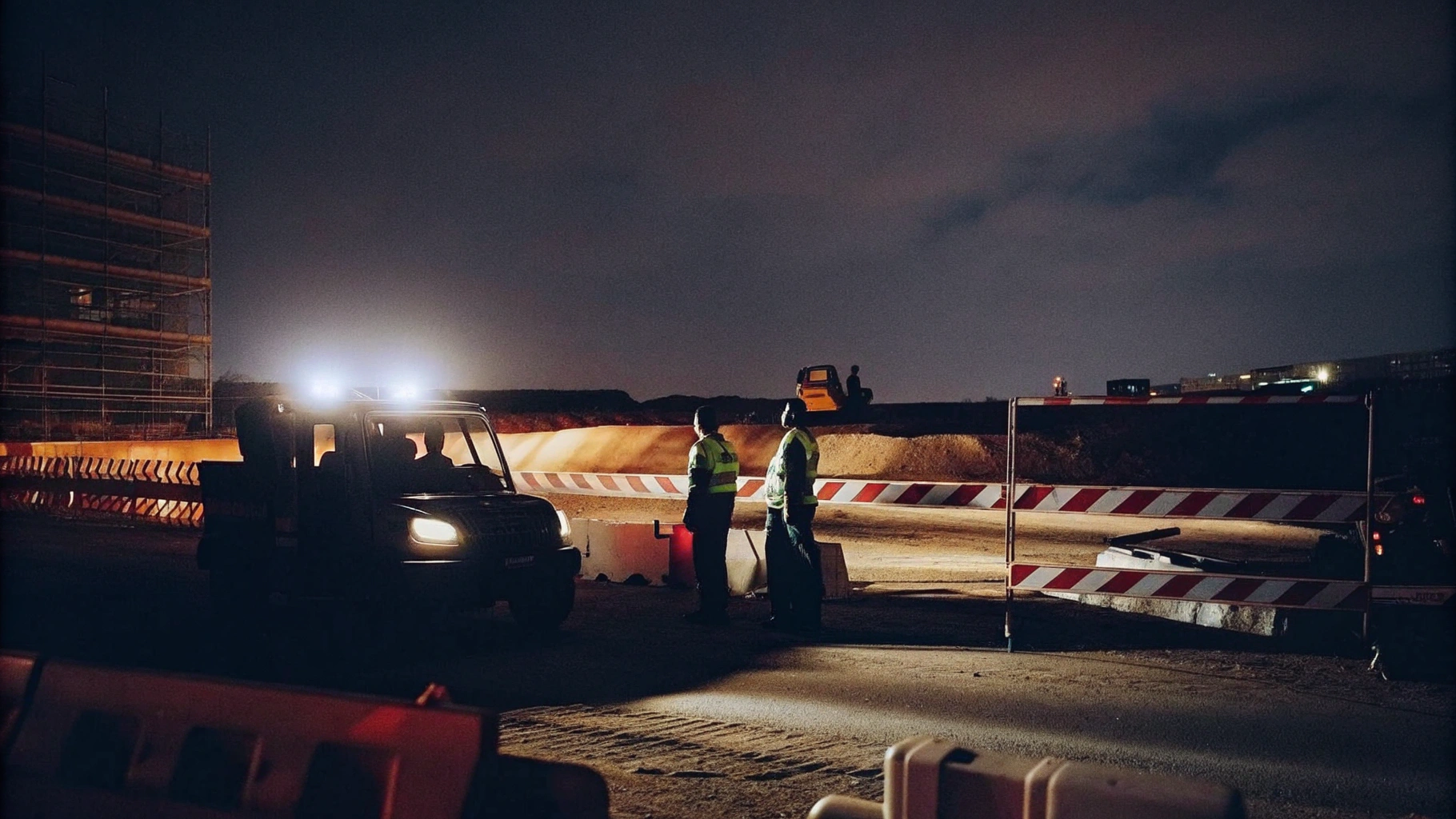
Can Mobile Patrol Services Be Adapted to Different Construction Sites?
Mobile patrol services can be adapted to a site's specific risk profile by adjusting patrol schedules to project timelines, concentrating rounds on high-risk areas, and adding measures as the build progresses. This flexibility is one of the main reasons mobile patrols suit construction sites better than a one-size-fits-all guarding contract.
Customisation typically includes shifting patrol frequency and timing to match project phases — for example, increasing coverage during the early groundworks stage when materials and plant are most exposed and least secured, then adjusting again once the building envelope is closed and the risk profile changes. Patrol routes can also be weighted toward specific compounds, gates or storage areas identified as higher-risk during a site assessment, rather than treating the whole perimeter equally.
This adaptability supports both security and operational efficiency: routes and schedules can be revised in response to updated threat assessments, and officers can respond quickly to alerts or emergencies as they arise. For construction managers focused on keeping a project on schedule, having patrol coverage that flexes with the build — rather than a static arrangement fixed at the outset — reduces the chance that a change in site conditions leaves a gap in protection.

How Does Priority First Tailor Mobile Patrol Security to Each Client?
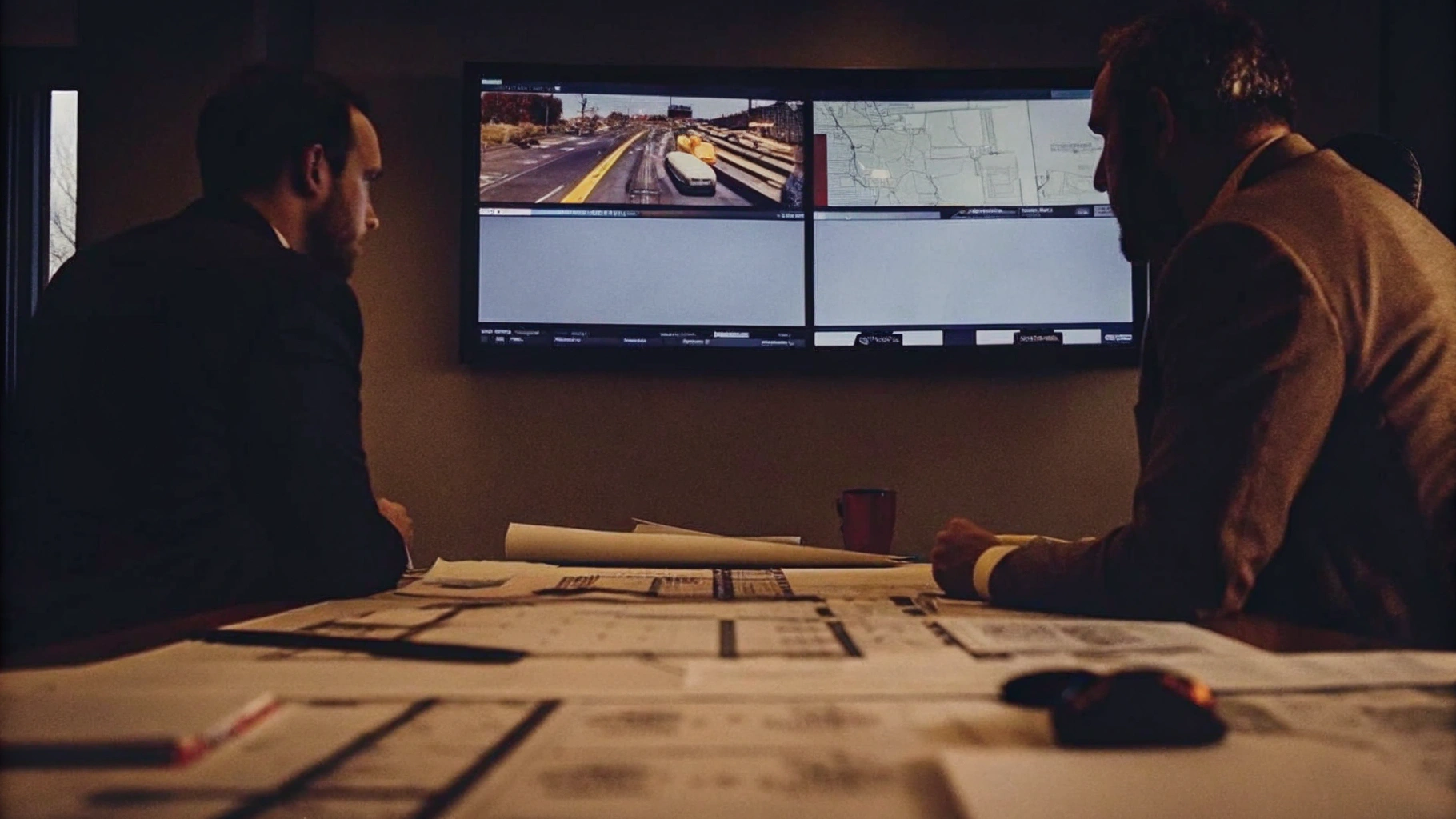
Priority First tailors mobile patrol security by consulting with each client on their specific site risks before setting patrol schedules, checkpoint priorities and reporting standards. This client-led process is designed to ensure the security arrangement matches the project's actual exposure, rather than applying a generic patrol template.
Detailed site consultations and risk evaluations inform the schedule, checkpoint locations and reporting format for each contract. This matters because a site in a dense urban location like Chelsea or Knightsbridge carries a different risk profile from a logistics site in the West Midlands or Bedfordshire — of the 37 documented client contracts Priority First holds on file, 28 are in Chelsea and Knightsbridge alone, reflecting the concentration of its prime-central-London work.
Priority First's own operational data records over £1.6 billion in client assets protected and a 100% customer satisfaction rate, alongside a 5.0-star Google rating from 44 reviews. This evidence-based track record, combined with photo-backed patrol reporting, is intended to give clients a way to verify — rather than simply take on trust — that agreed patrol coverage is actually being delivered.
Your Mobile Patrol Security Checklist
Use this checklist when setting up or reviewing mobile patrol security for a construction site:
- Confirm every patrol officer holds an individual SIA licence, as required under the Private Security Industry Act 2001.
- Set patrol schedules that combine fixed rounds with randomised timing to prevent predictable gaps.
- Identify and prioritise high-risk checkpoints — materials compounds, plant storage, perimeter access points.
- Require photo or GPS-timestamped evidence for every checkpoint completion, not just a written log.
- Arrange key holding and alarm response cover for out-of-hours emergencies.
- Review and adjust patrol routes as the project moves through different build phases.
- Integrate mobile patrols with any access control or CCTV systems already installed on site.
- Check that reporting gives visibility into missed checkpoints, not just completed ones.
Frequently Asked Questions
What is the significance of security in the UK construction sector? Security is critical in UK construction because theft was estimated to cost businesses over £1 million a week as of 2024. Left unaddressed, this exposure leads to financial losses, operational disruptions and reputational damage for construction managers and their clients.
How does Priority First Security Services address security challenges on construction sites? Priority First provides mobile patrol security combined with photo-backed checkpoint verification, access control and, where needed, key holding and alarm response. This combination is designed to give construction managers a verifiable, evidence-based record of coverage rather than an unproven guarantee.
What measures are implemented to control access to construction sites? Access control systems regulate the flow of personnel and vehicles onto a site, allowing only authorised individuals into sensitive areas. This works alongside mobile patrols to reduce the risk of unauthorised entry and theft.
How do mobile patrol units contribute to the security of construction sites? Mobile patrol units check access points, materials compounds and perimeter fencing on a schedule, coordinate deliveries, and respond to alarms or suspicious activity. This reduces delays and helps maintain a secure environment for ongoing work.
How does random surveillance enhance security? Randomised patrol timing makes it difficult for criminals to predict when a site will be checked next, which increases the perceived risk of being caught and discourages both opportunist and planned theft.
What additional services does Priority First offer to enhance security? Priority First offers key holding and alarm response for prompt emergency action, alongside CCTV monitoring, construction site security, facilities management and concierge services, giving clients adaptable protection levels as a project progresses.
How effective is mobile patrol security in reducing crime? A visible, unpredictable patrol presence increases the perceived risk of detection for potential offenders, which is a recognised deterrent principle in site security. Photo-backed evidence, such as Priority First's record of 4,900+ verified patrols, allows clients to confirm coverage actually took place rather than relying on an unverified claim.
What is the response capability of mobile patrols during emergencies? Mobile patrol officers can respond to alarm activations and suspicious behaviour quickly because they are already moving between checkpoints rather than static at a distant location. In one verified case, Priority First deployed an SIA-licensed officer to a Covent Garden break-in within two hours of the first call.
How does mobile patrol security compare to stationary guards? Mobile patrols typically cost less than a full-time static guard while still covering multiple checkpoints, access points and delivery areas across a site, making them a practical option for sites that don't require a permanently staffed post.
How Priority First Supports Construction Site Security
Construction sites need security that can prove it happened, not just promise it will. Priority First is a London-based security and facilities management company, headquartered in Mayfair (Companies House 14830917), that delivers SIA-licensed manned guarding, mobile and construction site security, key holding, alarm response and CCTV monitoring alongside broader facilities management — all under one accountable provider.
As proof of what evidence-based patrolling looks like in practice: on one mixed-use development, Priority First took photographed checkpoint completions from zero before onboarding to 152, with 100% of checkpoints now requiring a watermarked photo — carrying officer ID, GPS location and a timestamp — before they register as complete.
If you manage a construction site and want patrol coverage you can independently verify rather than simply take on trust, get in touch with Priority First for a tailored quote.