


Enhance Security Protection on Construction Sites: A Step-by-Step Guide

Introduction
Construction sites are often seen as bustling hubs of activity, yet they face unique security challenges that can lead to significant financial losses. In the UK, an estimated £800 million is lost annually due to theft and vandalism. The reality is that enhancing security measures has never been more critical for businesses in this sector.
This staggering figure highlights the urgent need for construction managers to reassess their security protocols. Ignoring these risks can result in severe financial, operational, and reputational consequences. Construction theft costs UK businesses over £1 million a week, underscoring that security is not merely an expense; it is essential for business continuity.
Priority First offers a pragmatic approach to these challenges, focusing on effective strategies for identifying risks, evaluating current security measures, and integrating advanced technologies. In practise, investing in robust security solutions not only protects valuable assets but also ensures the safety of personnel on site.
How can construction managers transform their sites into fortified environments while navigating the complexities of modern security threats? The lesson is clear: early investment in security measures can prevent greater losses down the line, positioning Priority First as a trusted partner in safeguarding construction projects.
Identify Security Risks Specific to Construction Sites
To effectively identify security risks specific to construction sites, consider the following steps:
-
Conduct a Walkthrough: Physically inspecting the location reveals vulnerabilities such as weak access points, inadequate lighting, and unsecured materials. This hands-on approach allows for immediate recognition of potential threats.
-
Review Historical Data: Analysing past incidents of theft, vandalism, or safety breaches is crucial. The construction industry in the UK loses an estimated £800 million annually to theft and vandalism, underscoring the importance of understanding patterns and areas of concern.
-
Connect with Staff: Engaging with employees and managers provides insights on perceived dangers and past safety concerns. Interacting with individuals on the ground can uncover neglected weaknesses and enhance overall awareness.
-
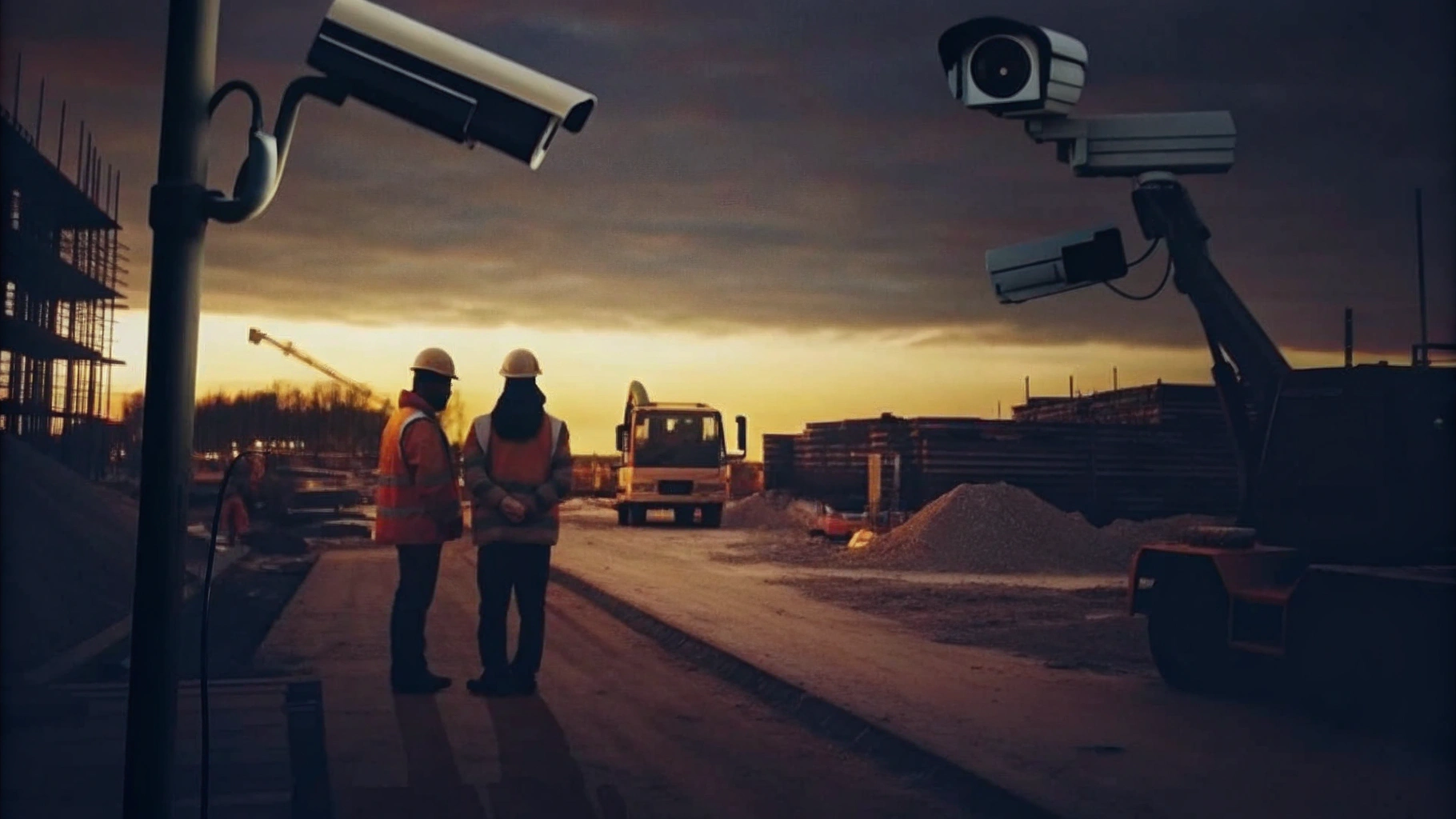
Utilise Risk Assessment Tools: Implementing structured risk assessment frameworks allows for a systematic evaluation of potential threats, including environmental factors and spatial arrangement. Efficient monitoring tactics involve pinpointing at-risk zones and ensuring the appropriate setup of protective systems. The visible presence of CCTV cameras serves as a powerful deterrent against criminal activity. Priority First offers extensive access control systems to manage personnel and vehicle movement, ensuring that only permitted individuals enter sensitive zones, thereby improving site protection. Additionally, services such as dog units and alarm response can further enhance protective protocols.
-
Document Findings: Creating a comprehensive report detailing identified risks acts as a reference for developing focused protective measures, ensuring that all vulnerabilities are systematically addressed. Neglecting the safety of building areas can lead to substantial financial and operational expenses, highlighting the significance of these specified measures.
By following these steps, project managers can proactively reduce risks, enhancing the safety and security of their endeavours. Moreover, Priority First's customised logistics management services ensure systematic movement of materials and personnel, bolstering security and sustaining operational efficiency. Case studies from previous projects illustrate how Priority First has successfully implemented these strategies to protect construction sites effectively.
Evaluate Existing Security Measures and Identify Gaps
To effectively evaluate existing security measures and identify gaps, consider the following steps:
-
Inventory Current Security Systems: Begin by compiling a comprehensive list of all existing security protocols, including physical barriers, surveillance systems, and personnel presence. This foundational step ensures you have a clear understanding of your current security protection landscape.
-
Assess Effectiveness: Next, analyse how well these measures perform in preventing incidents. Key factors to consider include response times and documented incident reports. Timely responses are crucial in mitigating risks, especially on construction sites where vulnerabilities can lead to significant losses.
-
Identify Weaknesses: Examine areas where protective actions may be insufficient or ineffective. This includes identifying blind spots in surveillance coverage or inadequate access control protocols that could allow unauthorised entry. Recognising these weaknesses is essential for enhancing security protection overall.
-
Consult with Experts in Protection: Engage with professionals to gain an external perspective on the effectiveness of your current measures. Their insights can uncover neglected vulnerabilities and propose tailored improvements that align with your specific conditions.
-
Create a Gap Analysis Report: Finally, document your findings in a structured report that highlights both strengths and weaknesses. This report will serve as a guide for implementing essential enhancements to strengthen your location's protection.
The reality is that early investment in security protection not only protects assets but also ensures business continuity. Ignoring these risks can lead to financial, operational, and reputational consequences that far outweigh the costs of proactive security management.
Select and Integrate Advanced Security Technologies
To effectively select and integrate advanced security technologies for construction sites, consider the following steps:
-
Research available technologies: Explore a range of security protection solutions tailored for construction environments, including high-definition CCTV systems, access control mechanisms, and alarm systems designed to withstand the unique challenges of these sites.
-
Assess Compatibility: Ensure that the chosen technologies can seamlessly integrate with your existing infrastructure. This compatibility is vital for sustaining operational efficiency and enhancing the effectiveness of your security protection measures. Priority First focuses on combining its services with established systems, guaranteeing minimal disturbance during implementation while improving your current protection framework.
-
Consider AI and Automation: Prioritise solutions that leverage AI for enhanced threat detection and automated monitoring. AI-driven systems can significantly reduce the need for constant human oversight, allowing for real-time analysis and quicker responses to potential threats. For instance, AI surveillance systems have demonstrated over 90% accuracy in incident detection and can differentiate between humans and animals, recognising faces or licence plates. Furthermore, the application of AI in building has been shown to result in a 30% reduction in accidents, highlighting the significance of these technologies in improving safety at building locations.
-
Plan for Installation: Develop a comprehensive installation plan that outlines timelines, necessary personnel training, and budget considerations. Proper planning ensures that the integration of new technologies does not disrupt ongoing operations and that staff have the security protection needed to utilise these systems effectively. It is also essential to conduct risk assessments to identify vulnerable areas for surveillance coverage, ensuring that all critical zones are monitored. With Priority First’s CCTV monitoring service available 24/7, your property or premises will always benefit from security protection, acting as both a deterrent and a tool for real-time threat detection, even during out-of-office hours and weekends.
-
Test and Optimise: After installation, conduct thorough testing to confirm that all systems are functioning as intended. Consistent optimisation and modifications based on performance feedback will improve the overall efficiency of your protective infrastructure. Implementing a proactive safety management approach allows teams to prioritise interventions and reduce downtime, which is crucial for maintaining operational efficiency.
By following these steps, project managers can establish a strong framework for security protection that not only safeguards valuable assets but also promotes a safer working environment. The integration of AI and automation is particularly vital, as it can lead to a 30% reduction in accidents and improve early risk detection, as evidenced by companies like Lendlease, which reported a 60% improvement in risk management after implementing AI-driven tools. Additionally, with theft expenses in the building sector surpassing £800 million each year, investing in advanced security protection measures, including extensive CCTV surveillance, is crucial for safeguarding assets and ensuring business continuity.
Train Personnel and Establish Security Protocols
To effectively train personnel and establish robust security protocols on construction sites, it’s essential to recognise the unique challenges these environments present. Security is not merely an operational necessity; it’s a critical business function that can significantly impact financial outcomes.
-
Develop a Training Programme: A comprehensive training programme is vital. It should cover awareness, emergency response, and the use of protective technologies. This programme must address the specific risks associated with construction sites, such as theft and health compliance, ensuring that all personnel are equipped to handle potential threats.
-
Conduct Regular Training Sessions: Regular training sessions are crucial for keeping staff informed about protocols and new technologies. Consistent training enhances employees' ability to identify and respond to threats, fostering a safer work environment. The reality is that well-trained personnel can mitigate risks effectively, reducing potential losses.
-
Establish Clear Protocols: Clear protocols are essential. A comprehensive handbook detailing procedures for various situations—unauthorised access, theft, and emergencies—should be created and shared. This clarity minimises confusion during critical incidents. Moreover, integrating these protocols with robust access control systems ensures that only authorised individuals can access sensitive areas, thereby enhancing security protection of the site.
-
Simulate Breach Incidents: Conducting drills to practise responses to potential threats is a proactive measure. These simulations ensure that all personnel understand their roles and can react effectively under pressure, reinforcing a strong safety culture on-site. In practise, this approach complements logistics management strategies that prioritise organised movement and minimise operational disruptions.
-
Gather Feedback: After training sessions and drills, it’s important to solicit feedback from participants. This feedback helps identify areas for improvement in both training and protocols. Ongoing enhancement is essential for adapting to evolving safety challenges and improving overall protection.
By implementing these measures, site managers can cultivate a proactive safety culture that not only protects assets but also fosters accountability among staff. This strategy, combined with comprehensive access control and efficient logistics management, is crucial for addressing the inherent risks of construction environments and ensuring compliance with safety regulations.

Monitor and Assess Security Measures Regularly
To effectively monitor and assess security measures, consider the following steps:
-
Establish Monitoring Protocols: Clearly define how and when protective measures will be monitored. This includes regular inspections and audits of monitoring systems. Priority First can assist in developing protocols for security protection tailored to your specific location requirements.
-
Utilise technology for security protection by employing technology such as Priority First's comprehensive CCTV monitoring services. These provide real-time surveillance through strategically placed cameras, ensuring prompt notifications for any suspicious behaviour. Our CCTV monitoring service operates 24/7, guaranteeing constant vigilance.
-
Conduct Periodic Safety Audits: Schedule regular evaluations with Priority First to assess the effectiveness of your protective strategies and identify new vulnerabilities. Their team specialises in thorough building audits and risk assessments tailored to your construction site.
-
Review Incident Reports: Analyse any breaches that occur to understand their causes and adjust protective measures accordingly. Priority First's integrated approach ensures that all incidents are documented and evaluated, enhancing future security protection strategies.
-
Revise Protection Plans: Based on the findings from monitoring and assessments, update your protective protocols and technologies to address identified gaps or emerging threats. Priority First offers customised security protection solutions and ongoing optimization to ensure your security measures evolve with your site’s needs.
Conclusion
Implementing effective security measures on construction sites is not merely a precaution; it is a necessity that safeguards both assets and personnel. The reality is that by systematically identifying risks, evaluating existing measures, integrating advanced technologies, training staff, and regularly monitoring security protocols, construction managers can create a robust framework that minimises vulnerabilities. This proactive approach protects against theft and vandalism while fostering a culture of safety and accountability among workers.
Key insights emphasise the importance of thorough risk assessments and the integration of cutting-edge technologies like AI and surveillance systems. The lesson is clear: ongoing training for personnel is essential. Each step builds upon the last, forming a comprehensive strategy that addresses the unique challenges faced in construction environments. Regular audits and assessments ensure that security measures remain effective and evolve alongside emerging threats.
In practise, enhancing security on construction sites is a critical investment that pays dividends in operational efficiency and peace of mind. By prioritising these measures, construction managers can protect their projects from significant financial losses and ensure a safer working environment for everyone involved. What is the real cost of leaving a site unguarded? Taking action now to bolster security will not only mitigate risks but also contribute to the long-term success of construction endeavours.
Frequently Asked Questions
What are the key steps to identify security risks specific to construction sites?
The key steps include conducting a physical walkthrough of the site, reviewing historical data on past incidents, connecting with staff for insights, utilising risk assessment tools, and documenting findings to develop protective measures.
Why is it important to conduct a walkthrough of the construction site?
Conducting a walkthrough helps to physically reveal vulnerabilities such as weak access points, inadequate lighting, and unsecured materials, allowing for immediate recognition of potential threats.
How much does the construction industry in the UK lose annually to theft and vandalism?
The construction industry in the UK loses an estimated £800 million annually to theft and vandalism.
How can engaging with staff enhance security on construction sites?
Engaging with employees and managers provides insights on perceived dangers and past safety concerns, helping to uncover neglected weaknesses and enhance overall awareness.
What are risk assessment tools and how do they help in construction site security?
Risk assessment tools are structured frameworks that allow for a systematic evaluation of potential threats, including environmental factors and spatial arrangements. They help in identifying at-risk zones and ensuring appropriate protective setups.
What role does documentation play in identifying security risks?
Documenting findings in a comprehensive report serves as a reference for developing focused protective measures, ensuring that all identified vulnerabilities are systematically addressed.
What are the steps to evaluate existing security measures and identify gaps?
The steps include inventorying current security systems, assessing their effectiveness, identifying weaknesses, consulting with protection experts, and creating a gap analysis report.
Why is it essential to assess the effectiveness of existing security measures?
Assessing effectiveness helps to determine how well current measures prevent incidents, focusing on response times and documented incident reports, which are crucial for mitigating risks.
How can identifying weaknesses in security measures improve overall protection?
Recognising weaknesses, such as blind spots in surveillance or inadequate access control, is essential for enhancing security protection and preventing unauthorised access.
What is the significance of creating a gap analysis report?
A gap analysis report documents strengths and weaknesses in security measures and serves as a guide for implementing essential enhancements to strengthen protection at the location.
What are the potential consequences of ignoring security risks in construction?
Ignoring security risks can lead to financial, operational, and reputational consequences that far outweigh the costs of proactive security management.

