How to Secure Empty Property: Essential Steps for Construction Managers

Introduction
Securing vacant properties is a critical concern for construction managers, particularly in light of the staggering fact that around 750,000 buildings suffer damage each year in the UK due to vandalism and theft. This reality underscores the necessity for robust security measures to protect these unoccupied assets.
The implications for businesses are significant. Ignoring the risk of property damage can lead to substantial financial losses, operational disruptions, and reputational harm. Construction managers must recognise that security is not merely an expense; it is an essential component of business continuity.
In practise, Priority First offers a pragmatic approach to safeguarding vacant properties. With over £1.6 billion in assets secured and rapid response times, our solutions are grounded in real numbers and financial logic. Early investment in security can prevent greater losses down the line, making it a wise choice for any construction project.
The lesson is clear: prioritising security is vital for maintaining the integrity of construction sites and ensuring long-term business resilience. By partnering with Priority First, construction managers can navigate the evolving risks and innovative criminal tactics that threaten their properties.
Identify Risks to Your Vacant Property
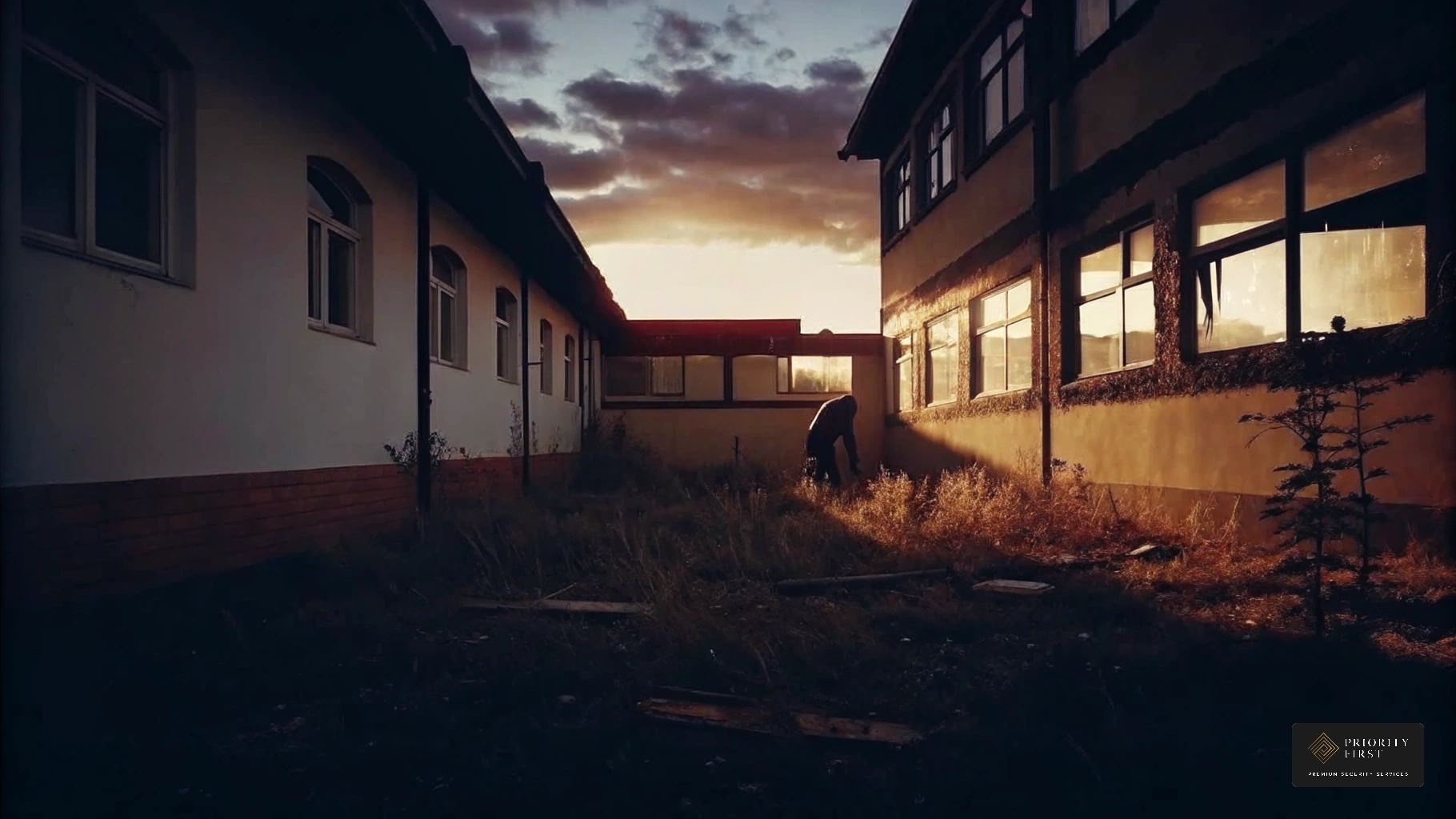
Begin with a comprehensive risk evaluation of the secure empty property. The reality is that secure empty property is particularly vulnerable to vandalism and theft, with around 750,000 buildings damaged each year in the UK.
-
Conduct a Site Survey: Walk through the premises to identify potential vulnerabilities such as broken windows, unsecured doors, and overgrown landscaping that could provide cover for intruders. Routine surveillance is crucial.
-
Research Local Crime Statistics: Investigate crime rates in the area to understand prevalent threats, such as vandalism, theft, or squatting. The increase in empty units correlates with heightened criminal behaviour, making it essential to remain aware of local trends.
-
Consult Local Officials and Safety Experts: Engage with local law enforcement and safety professionals to gain insights into specific risks they have noted in similar locations. Their expertise can provide valuable context and highlight common issues faced by those looking to secure empty property in the area. Priority First’s management and consulting services, including threat evaluations and policy development, can assist in this process, offering tailored solutions that enhance safety and protection.
-
Document Findings: Create a comprehensive report of identified risks, which will serve as a reference for implementing protective measures. This documentation is essential for creating a customised defence plan that addresses the specific weaknesses of the asset, ensuring efficient measures to secure empty property against possible dangers. Ignoring protective measures can lead to considerable financial consequences, including expenses related to repairs and renovations due to vandalism. Priority First’s customised protection solutions, including alarm response services, can offer peace of mind and uphold a safe setting for unoccupied buildings.
Secure Potential Entry Points
To effectively secure your vacant property, consider these essential steps:
-
Reinforce Doors and Windows: High-security locks on all doors, complemented by deadbolts, are crucial for protection. For windows, using protective film or installing metal grilles can significantly deter break-ins. Research shows that buildings with reinforced entry points see a marked decrease in unauthorised access.
-
Cover Exposed Areas: If the premises will remain unoccupied for an extended period, covering windows and doors with plywood or steel protective screens is advisable. This method has proven effective in various case studies, demonstrating a notable reduction in break-in attempts. Priority First offers manned guarding and temporary fencing services, enhancing safety during this vulnerable time.
-
Install Fencing: Erecting a sturdy fence around the property can deter unauthorised access. Ensure that all gates are locked and monitored regularly. A strong perimeter not only enhances safety but also signals to potential intruders that the area is well-guarded. Priority First provides comprehensive perimeter assessments to help secure empty property as part of their vacant site protection solutions.
-
Utilize Signage: Positioning clear 'No Trespassing' signs around the premises discourages potential intruders and informs them of the protective measures in place. Visible signage acts as a psychological barrier, making the property appear high-risk and low-reward for criminal activity. Additionally, consider installing CCTV monitoring and alarm systems to further bolster safety. Priority First offers 24/7 protection services, ensuring constant monitoring and immediate response to any unauthorised access.
Implement Monitoring and Response Systems
Security is a critical yet often underestimated function in the construction industry. In the UK, construction theft costs businesses over £1 million a week, highlighting the urgent need for effective monitoring systems. This reality underscores the importance of safeguarding assets during vulnerable phases, such as construction.
To address these challenges, consider implementing a multi-faceted security approach:
-
Instal CCTV Cameras: High-definition cameras should be strategically placed around the premises, particularly at entry points and blind spots. Connecting these cameras to a real-time monitoring system ensures constant surveillance. Priority First offers comprehensive CCTV monitoring services that operate 24/7, providing peace of mind that your site is always protected.
-
Utilise Motion Sensors: Motion detectors can trigger alarms or alerts when movement is detected, significantly enhancing security, especially for unoccupied properties. These sensors are essential to secure empty property by reducing response times to potential intrusions, thereby improving overall protection effectiveness.
-
Engage a Protection Firm: Employing a professional safety service like First Choice can provide tailored solutions, including manned guarding and rapid response capabilities to alarms. This partnership ensures enhanced safety for your site.
-
Regularly Test Systems: Conducting routine tests and maintenance on all monitoring systems is essential for optimal functionality. Priority First specializes in integrating their services with your existing security measures, offering technical support and continuous improvement to bolster your setup.
By combining these systems, construction managers can create a robust security framework that not only protects the secure empty property but also fosters confidence throughout the construction phase. Early investment in security measures is a proactive step that can prevent greater losses in the future.
Conduct Regular Security Assessments
To maintain a secure environment for your vacant property, consider these essential practices:
-
Schedule Regular Inspections: Conduct weekly or bi-weekly evaluations of the premises to check for signs of unauthorized access or damage. To prevent theft, vandalism, and other criminal activities, it is crucial to secure empty property. The Home Office estimates that 60 fires occur daily in or near vacant buildings, highlighting the critical need for vigilance.
-
Review Protection Measures: Assess the effectiveness of current protection measures and adjust them based on any new risks identified during inspections. Proactive strategies, such as installing CCTV systems and employing well-trained guards, can significantly enhance property security and deter criminal activity.
-
Engage with Local Law Enforcement: Maintain communication with local police to stay informed about crime trends in the area and receive guidance on enhancing safety. Collaborating with law enforcement can provide valuable insights into potential threats and effective countermeasures.
-
Document Changes: Keep a record of all evaluations and modifications made to protective measures. This documentation not only aids in assessing the effectiveness of protection strategies but also serves as a valuable record in legal circumstances, should any incidents arise.
As Paul O'Neill aptly stated, "Safety should never be a priority. It should be a precondition." By prioritising regular inspections and proactive security measures, you can secure empty property and mitigate potential risks.
Conclusion
Securing empty properties is not just a responsibility; it’s a necessity for construction managers. These sites are prime targets for vandalism and theft, which can lead to significant financial losses. The reality is that effective security measures protect not only the asset but also the surrounding community, ensuring a safer environment for all.
By taking a proactive approach to risk assessment, securing entry points, and establishing monitoring systems, construction managers can significantly reduce vulnerabilities. Key strategies include:
- Conducting thorough site surveys to identify risks
- Reinforcing doors and windows
- Utilising advanced monitoring technologies such as CCTV and motion sensors
Regular security assessments and collaboration with local law enforcement further enhance the security framework, ensuring that protective measures remain effective against evolving threats.
Ignoring these risks can have dire consequences. Financial losses from theft can escalate quickly, impacting operational efficiency and damaging reputations. The lesson is clear: proactive security measures are essential in protecting vacant properties from potential threats. By prioritising these essential steps, construction managers can mitigate risks and foster a culture of safety that extends beyond the property itself.
Investing in robust security solutions today can lead to significant long-term savings and peace of mind. Priority First’s approach is grounded in evidence, with over £1.6bn in assets secured and rapid response times that demonstrate our commitment to safeguarding investments. Security is not an expense; it is business continuity in practice. By situating security within the broader context of business resilience, construction managers can ensure that their properties are not just protected but are also contributing to a safer, more secure community.
Frequently Asked Questions
What are the main risks to vacant properties?
Vacant properties are particularly vulnerable to vandalism and theft, with around 750,000 buildings damaged each year in the UK.
How can I identify vulnerabilities in my vacant property?
Conduct a site survey by walking through the premises to identify potential vulnerabilities such as broken windows, unsecured doors, and overgrown landscaping that could provide cover for intruders. Routine surveillance is also crucial.
Why is it important to research local crime statistics?
Researching local crime statistics helps understand prevalent threats such as vandalism, theft, or squatting. The increase in empty units often correlates with heightened criminal behaviour, making it essential to remain aware of local trends.
How can local officials and safety experts assist in securing my vacant property?
Local law enforcement and safety professionals can provide insights into specific risks they have noted in similar locations. Their expertise can highlight common issues faced when securing empty properties and offer tailored solutions.
What should I do with the findings from my risk evaluation?
Document the findings in a comprehensive report, which will serve as a reference for implementing protective measures. This documentation is essential for creating a customised defence plan that addresses the specific weaknesses of the property.
What are the potential financial consequences of ignoring protective measures for vacant properties?
Ignoring protective measures can lead to considerable financial consequences, including expenses related to repairs and renovations due to vandalism.