Understanding Retail Store Security Systems: Key Components and Importance


Introduction
Retail environments are increasingly becoming targets for theft and vandalism. This reality underscores the urgent need for effective security measures. A robust retail store security system not only protects assets but also fosters a safe shopping atmosphere for customers and employees alike. Ignoring these risks can lead to significant financial losses, operational disruptions, and reputational damage.
As technology evolves and the costs associated with retail crime rise, businesses must adapt their security systems to meet current threats. The lesson is clear: investing in security is not merely an expense; it is essential for business continuity. Priority First offers a pragmatic approach to security, ensuring that systems are both effective and adaptable to the changing landscape.
In practise, early investment in security measures can prevent greater losses down the line. With over £1.6bn in assets secured and rapid response times, Priority First stands as a trusted partner in safeguarding retail environments. By prioritising security, businesses can not only protect their assets but also enhance customer trust and loyalty.
Define Retail Store Security System
A retail store security system is a complex arrangement designed to safeguard shopping environments from theft, vandalism, and various threats. A retail store security system typically includes a mix of physical protective measures, such as surveillance cameras, alarm systems, and access control, alongside technological solutions like electronic article surveillance (EAS) and AI-driven analytics. These components work together within the retail store security system to create a secure shopping atmosphere, ensuring the safety of both customers and employees while protecting merchandise and assets.
The reality is that the integration of advanced technologies has transformed the retail store security system, making traditional protective methods more proactive and efficient in addressing contemporary retail challenges. For instance, smart surveillance cameras have shown a significant reduction in theft occurrences. Research indicates that retailers can experience a marked decline in shoplifting when such measures are implemented. Moreover, AI analytics enable real-time monitoring and threat detection, enhancing the overall efficiency of the retail store security system.
That said, as retail crime continues to rise, with costs reaching £3.3 billion in the previous year alone, the importance of a robust retail store security system cannot be overstated. These frameworks not only deter potential offenders but also provide critical insights that can inform future protective strategies. By investing in a retail store security system, retailers can protect their assets and create a safer shopping experience for all.
Explore Key Components of Retail Security Systems
Key components of retail security systems are critical for safeguarding assets and ensuring business continuity:
-
Surveillance Cameras: These are essential for monitoring store activities and deterring theft. Modern systems leverage high-definition video and AI analytics, enabling real-time observation and the identification of suspicious behaviours. On average, a retail store may have around 200 cameras installed. Priority First offers comprehensive CCTV monitoring services, ensuring continuous surveillance to promptly detect any suspicious activity.
-
Alarm Devices: Alarm systems play a vital role in retail protection by alerting personnel and law enforcement to unauthorised entries or questionable actions. Their integration with other security measures creates a comprehensive approach, ensuring a rapid response to potential threats.
-
Electronic Article Surveillance (EAS): EAS setups employ tags and sensors to prevent theft. If a tagged item passes through a designated exit without being deactivated, an alarm is triggered, providing a proactive measure against shoplifting.
-
Access Control Mechanisms: These regulate entry to specific areas within the store, protecting sensitive locations from unauthorised access. This is crucial for safeguarding high-value merchandise and ensuring compliance with safety regulations.
-
AI and Analytics: Advanced protective measures utilise AI to analyse customer behaviour, identify anomalies, and forecast potential threats. This proactive approach allows retailers to respond swiftly to emerging risks, transforming the retail store security system from a reactive measure into a strategic asset. AI significantly accelerates investigations, enabling users to sift through hours of footage in minutes based on specific criteria.
-
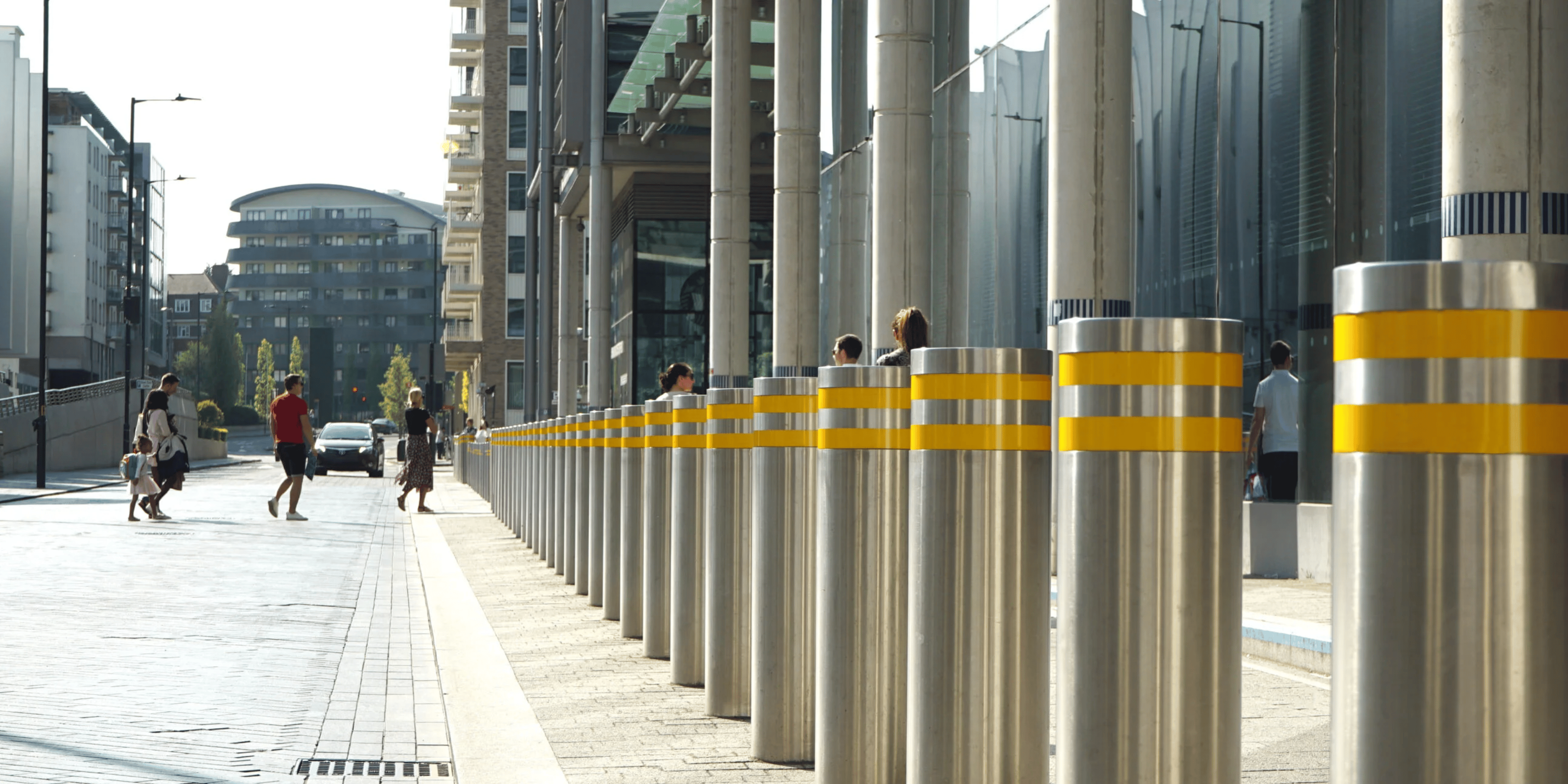
Physical Barriers: Locks, safes, and barriers act as physical deterrents, protecting merchandise and restricting access to sensitive areas. These measures enhance electronic frameworks, forming a layered protection strategy.
-
Safety Personnel: Trained personnel are essential for overseeing and responding to incidents, adding a human element that enhances the effectiveness of technological solutions. Their presence not only deters criminal activity but also fosters a safe shopping environment.
Looking ahead to 2025, the integration of AI in commerce protection systems is expected to revolutionise the use of surveillance cameras, shifting from passive recording to active oversight. This transition underscores the importance of regular evaluations and proactive measures, as successful retailers increasingly adopt comprehensive protection solutions that include routine audits and inspections of high-risk areas to mitigate loss and enhance safety compliance. Notably, only 12% of retail establishments conduct routine assessments of surveillance footage more than once a week, highlighting the need for improved oversight practises. Priority First’s retail store security system features a CCTV monitoring service that is available 24/7, ensuring your property remains under surveillance, even during out-of-office hours and weekends.
Understand the Importance of Retail Security Systems
Retail security systems are crucial for several key reasons:
-
Theft Prevention: Retail theft costs the industry over £1 billion annually, highlighting the urgent need for effective protective measures. As structured commercial crime rises, robust security acts as a barrier against potential criminals, significantly reducing losses and ensuring profitability. Priority First offers tailored protection solutions, including a retail store security system with extensive CCTV monitoring and integration with existing systems, to help businesses efficiently safeguard their assets.
-
Customer Safety: A secure shopping environment boosts customer confidence and encourages repeat business. Research indicates that 81% of UK consumers prefer shops with visible security measures, enhancing their shopping experience and fostering brand loyalty. Moreover, evident protective measures lead to greater customer satisfaction, underscoring the importance of visible security in retail settings. Priority First’s retail store security system provides integrated safety solutions that ensure your premises are monitored around the clock, offering peace of mind for both customers and staff.
-
Employee Protection: Security systems are vital for safeguarding staff from potential threats, creating a safer workplace. This enhanced safety contributes to improved employee morale, which is essential for maintaining a productive workforce. With Priority First’s customised management and consulting services, businesses can develop strategies that prioritise employee safety, operational efficiency, and the implementation of an effective retail store security system.
-
Operational Efficiency: By effectively minimising theft and loss, retailers can streamline operations, allowing them to focus on customer service and sales rather than loss prevention. This shift can lead to increased profitability and a better overall shopping experience. Priority First’s expertise in consulting on safety measures assists businesses in optimising their protective resources, including the implementation of a retail store security system, to ensure efficient operations.
-
Insurance Benefits: Establishing a comprehensive protection framework can lead to reduced insurance costs, as insurers recognise the lower risk associated with enhanced safety measures. This financial incentive further emphasises the importance of investing in security. Priority First’s tailored solutions not only improve safety but also optimise the retail store security system, contributing to cost savings for businesses.
-
Compliance and Liability: Retailers must adhere to various safety regulations. Effective protective measures not only help ensure compliance but also reduce liability in case of incidents, protecting both the business and its clients. Priority First’s management services for security include risk assessments and policy development to assist businesses in meeting regulatory requirements and enhancing their overall defence posture with a retail store security system.
Trace the Evolution of Retail Security Systems
Technological advancements and the changing dynamics of the shopping environment have significantly shaped the development of the retail store security system.
-
Initial Protection Steps: Initially, store safety relied heavily on physical barriers and basic alarm systems. Security personnel acted as the first line of defence against theft, often depending on their presence to deter criminal activity.
-
Introduction of CCTV: The late 20th century marked a pivotal moment with the introduction of closed-circuit television (CCTV), revolutionising security in retail spaces. This technology enabled real-time observation and recording of store activities, serving as a vital tool for the retail store security system to deter theft and enhance overall safety. Companies like Priority First have taken this further by offering comprehensive CCTV oversight services, ensuring continuous surveillance of retail environments and facilitating rapid responses to any suspicious activity.
-
Electronic Article Surveillance (EAS): The 1980s saw the emergence of Electronic Article Surveillance technologies, which introduced a more effective method for preventing theft through the use of tags and sensors. This innovation allowed retailers to monitor merchandise closely and significantly reduce losses.
-
Incorporation of Technology: The 2000s brought about the integration of various protective technologies, including access control methods and alarm supervision. This comprehensive approach established a more robust protection framework, enabling retailers to effectively implement a retail store security system to respond swiftly to incidents and manage risks. Priority First excels in merging its CCTV monitoring services with existing protection systems, ensuring minimal disruption while enhancing overall safety capabilities.
-
AI and Data Analytics: Recently, the rise of artificial intelligence and data analytics has transformed retail protection. These advancements facilitate predictive analytics and real-time threat detection, allowing retailers to analyse customer behaviour and proactively identify potential risks. For example, AI-driven theft detection systems can alert on-site guards instantly, improving response capabilities.
-
Future Trends: Looking ahead, the focus is on further integrating AI, Internet of Things (IoT) devices, and cloud-based solutions. These innovations aim to bolster security capabilities, streamline operations, and enhance overall safety in retail environments, ensuring that retailers can adapt to evolving threats and maintain secure operations.
Conclusion
A robust retail store security system is essential for safeguarding assets, ensuring customer and employee safety, and maintaining operational efficiency. The reality is that integrating advanced technologies like AI and analytics with traditional protective measures allows retailers to create a comprehensive security framework. This not only deters theft but also enhances the overall shopping experience. As retail environments grow more complex, proactive strategies to combat rising retail crime become increasingly necessary.
Throughout this discussion, key components of retail security systems have been explored, including:
- Surveillance cameras
- Alarm devices
- Electronic article surveillance
- Access control mechanisms
- The crucial role of trained personnel
Each element plays a vital role in creating a layered defence against theft and other threats. In practise, the incorporation of AI-driven analytics enables real-time monitoring and swift responses to potential risks. The financial implications of investing in these systems are significant; benefits range from reduced theft-related losses to lower insurance costs and improved compliance with safety regulations.
As retailers look toward the future, the integration of cutting-edge technologies will continue to shape security practises. That said, it is imperative for businesses to prioritise the implementation of comprehensive retail security systems. By doing so, they not only protect their assets but also foster a safe and welcoming environment that encourages customer loyalty and enhances employee morale. The lesson is clear: embracing these advancements is not just a matter of safety; it is a strategic investment in the long-term success and sustainability of retail operations.
Frequently Asked Questions
What is a retail store security system?
A retail store security system is a complex arrangement designed to protect shopping environments from theft, vandalism, and various threats. It typically includes physical protective measures like surveillance cameras, alarm systems, and access control, as well as technological solutions such as electronic article surveillance (EAS) and AI-driven analytics.
How do the components of a retail store security system work together?
The components of a retail store security system work together to create a secure shopping atmosphere. Physical measures deter theft and vandalism, while technological solutions enhance monitoring and threat detection, ensuring the safety of customers and employees and protecting merchandise and assets.
What impact have advanced technologies had on retail store security systems?
Advanced technologies have transformed retail store security systems by making traditional protective methods more proactive and efficient. For example, smart surveillance cameras have significantly reduced theft occurrences, and AI analytics enable real-time monitoring and threat detection.
What are the financial implications of retail crime?
Retail crime has significant financial implications, with costs reaching £3.3 billion in the previous year alone. This underscores the importance of having a robust retail store security system to deter offenders and protect assets.
Why is it important for retailers to invest in a retail store security system?
Investing in a retail store security system is crucial for retailers as it not only deters potential offenders but also provides critical insights for future protective strategies, ultimately creating a safer shopping experience for customers and employees.