4 Key Hazards on a Construction Site and How to Mitigate Them

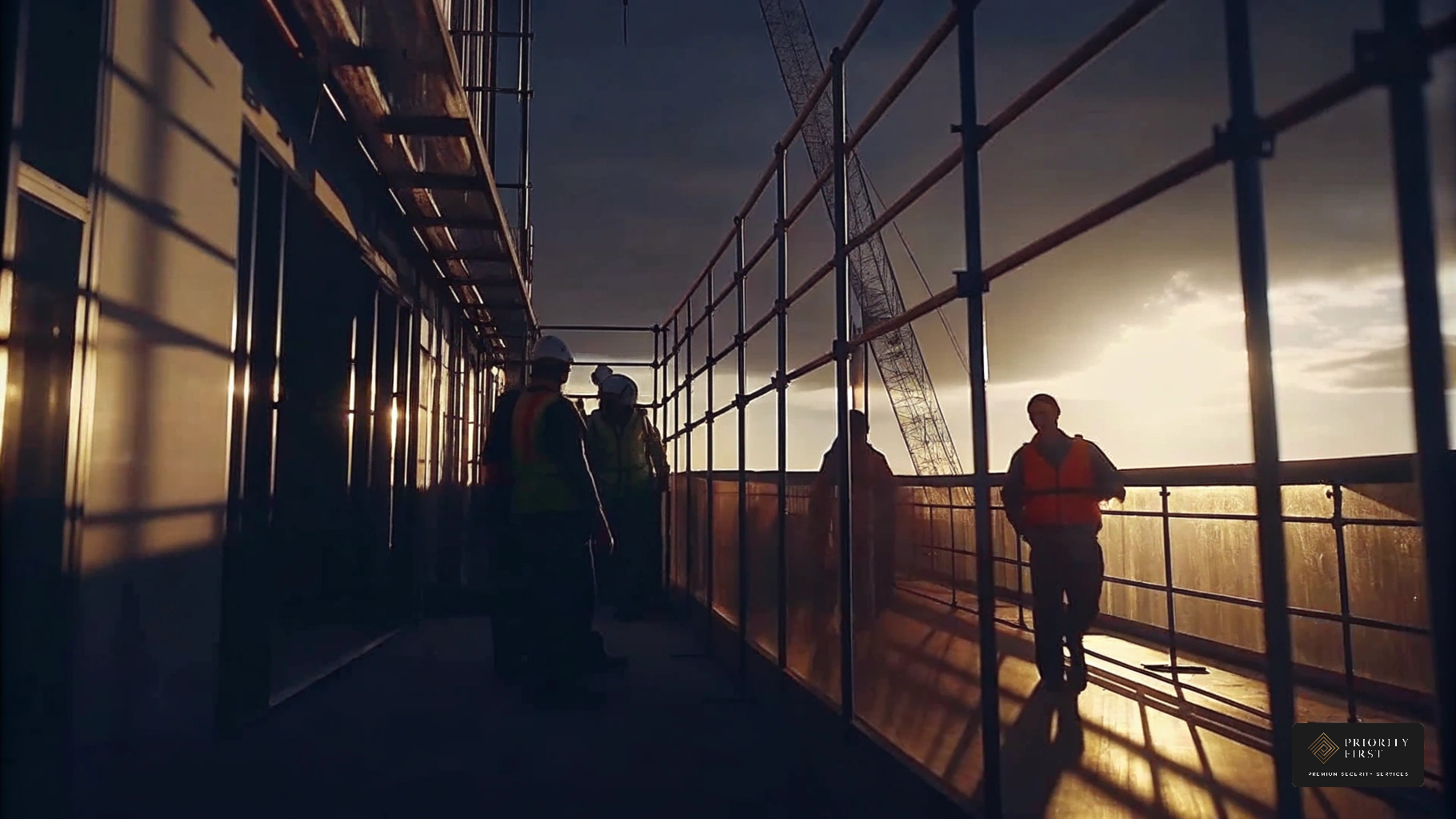
Introduction
Construction sites present significant dangers, with statistics indicating high rates of injuries and fatalities. This reality underscores the necessity for businesses to address these hazards, not merely as a regulatory obligation but as a fundamental aspect of operational success. Ignoring these risks can lead to severe financial, operational, and reputational consequences.
The implications are clear: construction managers must prioritise safety to protect lives and ensure the smooth functioning of their projects. This article delves into four critical hazards - falls, struck-by incidents, caught-in/between accidents, and electrical hazards - while offering actionable strategies to mitigate these risks effectively.
What proactive measures can construction managers implement to transform their sites into safer environments? By investing in safety now, businesses can prevent tragic incidents and safeguard their workforce, ultimately enhancing their resilience in a competitive market. Priority First stands ready to provide practical solutions, ensuring that safety is not just an expense but a vital component of business continuity.
Address Falls: Implement Safety Harnesses and Guardrails
Falls from heights are one of the significant hazards on a construction site, leading to serious injuries and fatalities. In 2023, falls accounted for 38.5 percent of all workplace deaths in construction, with the industry responsible for 47.8 percent of all fatal falls, slips, and trips that year. This stark reality underscores the urgent need for effective fall protection measures.
For businesses, the implications are clear: neglecting fall risks can result in not only tragic outcomes but also substantial financial and reputational damage. To mitigate this risk, the installation of protective harnesses and guardrails is essential. Workers at heights must wear harnesses securely attached to stable anchor points, ensuring maximum protection. Additionally, guardrails should be installed around elevated platforms and scaffolding, providing a necessary physical barrier against falls.
The upcoming regulations on fall protection, effective in 2026, highlight the importance of these measures, including compliance with the Work at Height Regulations 2005. These regulations detail employer responsibilities for ensuring employee safety at heights. Adhering to these standards not only protects employees but also enhances overall site security. Regular training sessions on the proper use of protective harnesses and guardrails are vital for maintaining awareness and compliance among workers.
Evidence from numerous construction projects shows that effective execution of fall protection systems significantly reduces incident rates. A recent case study illustrated the benefits of integrating advanced protective technologies, such as wearable devices that monitor employee fatigue and alert them to potential dangers. The guidance set to be released in 2026 will further emphasise the importance of these innovations in safety management. The role of safety harnesses and guardrails in fall prevention cannot be overstated; they are critical components of a comprehensive safety strategy that protects personnel and minimises hazards in construction environments.
In practise, early investment in these protective measures not only safeguards lives but also prevents greater losses down the line. The lesson is clear: prioritising fall protection is not merely a regulatory obligation; it is a fundamental aspect of business resilience.
Prevent Struck-By Incidents: Use Signage and Barriers
Struck-by incidents represent a significant hazard on a construction site, often stemming from moving vehicles or falling tools. This reality underscores the necessity for clear and effective signage to mitigate such risks. Signage must inform employees of potential hazards and guide them along designated routes for machinery and personnel. Additionally, erecting physical barriers around high-risk areas is essential to safeguard workers from moving equipment.
Ignoring these safety measures can lead to severe financial, operational, and reputational consequences for businesses. Regular precautionary meetings can reinforce the importance of these protocols, ensuring that all personnel remain vigilant and aware of their surroundings. According to UK regulations, warning signs are not merely beneficial; they are a legal obligation where significant health risks exist. By prioritising signage and barriers, project managers can enhance safety and significantly reduce the likelihood of hazards on a construction site.
Priority First’s customised security solutions, which include site protection and logistics management, have proven effective in real-world scenarios. For instance, during the construction of a luxury hotel in Chelsea, our services played a crucial role in maintaining a safe and orderly site, thereby greatly reducing risks associated with struck-by incidents. This case exemplifies how early investment in safety measures can prevent greater losses down the line.
Mitigate Caught-In/Between Accidents: Enhance Training and Awareness
Caught-in/between accidents pose serious hazards on a construction site, occurring when individuals become trapped between moving machinery or materials. In 2022, these incidents accounted for a significant portion of construction-related fatalities, underscoring the urgent need for effective safety measures. Businesses must prioritise enhancing training programmes that educate employees about the dangers associated with these situations. This training should include practical demonstrations of safe practises, such as maintaining a safe distance from operating equipment and identifying potential pinch points.
The reality is that routine emergency drills are essential for reinforcing these lessons. They ensure that employees remain alert and prepared to respond to crises. Ignoring the hazards on a construction site can result in dire consequences, such as financial losses, operational disruptions, and reputational damage. By implementing comprehensive training that incorporates real-world scenarios, companies can significantly reduce the incidence of caught-in/between accidents.
Moreover, fostering a culture of awareness regarding risks among employees is crucial. Continuous training and open dialogue about dangers can cultivate this environment. Safety instructors emphasise the importance of equipping individuals with the knowledge and skills necessary to recognise and avoid hazardous situations. In practise, by focusing on training effectiveness and integrating advanced safety technologies, work locations can enhance worker awareness of machinery risks.
The lesson is clear: investing in safety training is not merely a regulatory requirement; it is a strategic business decision. By prioritising safety, companies can create safer work environments and improve overall safety performance. Ultimately, early investment in training and awareness can prevent greater losses down the line.
Reduce Electrical Hazards: Conduct Regular Inspections and Training
Hazards on a construction site, such as electrical hazards, present a significant risk in building environments, often resulting in serious injuries or fatalities. Regular inspections of electrical equipment and wiring are essential to mitigate these risks effectively. These inspections allow for the identification of potential issues before they escalate into dangerous situations. The frequency of these inspections should be guided by thorough risk assessments, ensuring they occur more often than in typical industrial settings. For example, during the construction of a luxury hotel on Sloane Street, Priority First implemented rigorous inspection protocols that notably reduced electrical faults on site.
Moreover, successful training programmes are vital for minimising hazards on a construction site, especially electrical hazards. Workers must be well-versed in electrical security protocols, including the proper use of tools and equipment. This training should cover the recognition of hazards on a construction site, including exposed wires and faulty equipment, as well as the importance of promptly reporting any concerns. A culture of awareness and accountability is crucial; professionals in the field have noted that most accidents caused by hazards on a construction site can be prevented through careful planning and clear precautions.
The latest electrical protection protocols for 2026 underscore the need for temporary electrical installations to be designed, installed, and inspected thoroughly to prevent overloads and electrocution. Routine maintenance and evaluations not only ensure compliance with regulations but also extend the lifespan of equipment, significantly reducing risks. By fostering a proactive risk culture and adhering to these protocols, project managers can create a safer working environment for all. Additionally, Priority First's tailored security solutions, including construction security and logistics management, help maintain organised and secure sites, further enhancing safety and operational efficiency.
Conclusion
Addressing key hazards on construction sites is essential for safeguarding workers and ensuring project longevity. The reality is that four critical dangers - falls, struck-by incidents, caught-in/between accidents, and electrical hazards - demand proactive measures to mitigate risks. By implementing effective safety strategies, businesses not only protect their workforce but also enhance their operational resilience.
In practice, fall protection measures such as safety harnesses and guardrails are vital. Adhering to upcoming regulations and investing in advanced safety technologies is not just prudent; it’s necessary. Clear signage and physical barriers play a crucial role in preventing struck-by incidents, maintaining a safe work environment. Furthermore, training programmes that raise awareness of caught-in/between hazards and regular inspections for electrical safety illustrate the comprehensive approach needed to tackle these challenges effectively.
The lesson is clear: prioritising safety on construction sites is a strategic decision that yields significant benefits. By fostering a culture of safety through regular training and adherence to best practices, companies can significantly reduce the incidence of accidents. It is imperative for all stakeholders in the construction industry to recognise that investing in safety is not merely a regulatory obligation but a fundamental aspect of operational success and worker well-being.
Frequently Asked Questions
What percentage of workplace deaths in construction were due to falls in 2023?
In 2023, falls accounted for 38.5 percent of all workplace deaths in construction.
What measures are essential to mitigate fall risks on construction sites?
The installation of protective harnesses and guardrails is essential to mitigate fall risks on construction sites.
How should workers at heights use harnesses?
Workers at heights must wear harnesses securely attached to stable anchor points to ensure maximum protection.
What is the purpose of guardrails on construction sites?
Guardrails should be installed around elevated platforms and scaffolding to provide a necessary physical barrier against falls.
What upcoming regulations will impact fall protection measures?
New regulations on fall protection, effective in 2026, will emphasise compliance with the Work at Height Regulations 2005, detailing employer responsibilities for ensuring employee safety at heights.
Why is regular training important for workers regarding fall protection?
Regular training sessions on the proper use of protective harnesses and guardrails are vital for maintaining awareness and compliance among workers.
What evidence supports the effectiveness of fall protection systems?
Evidence from numerous construction projects shows that effective execution of fall protection systems significantly reduces incident rates.
What advanced technologies are being integrated into fall protection systems?
Advanced protective technologies, such as wearable devices that monitor employee fatigue and alert them to potential dangers, are being integrated into fall protection systems.
What is the overall importance of prioritising fall protection in construction?
Prioritising fall protection is not merely a regulatory obligation; it is a fundamental aspect of business resilience that safeguards lives and prevents greater losses.